Europe / Hungary
Budapest
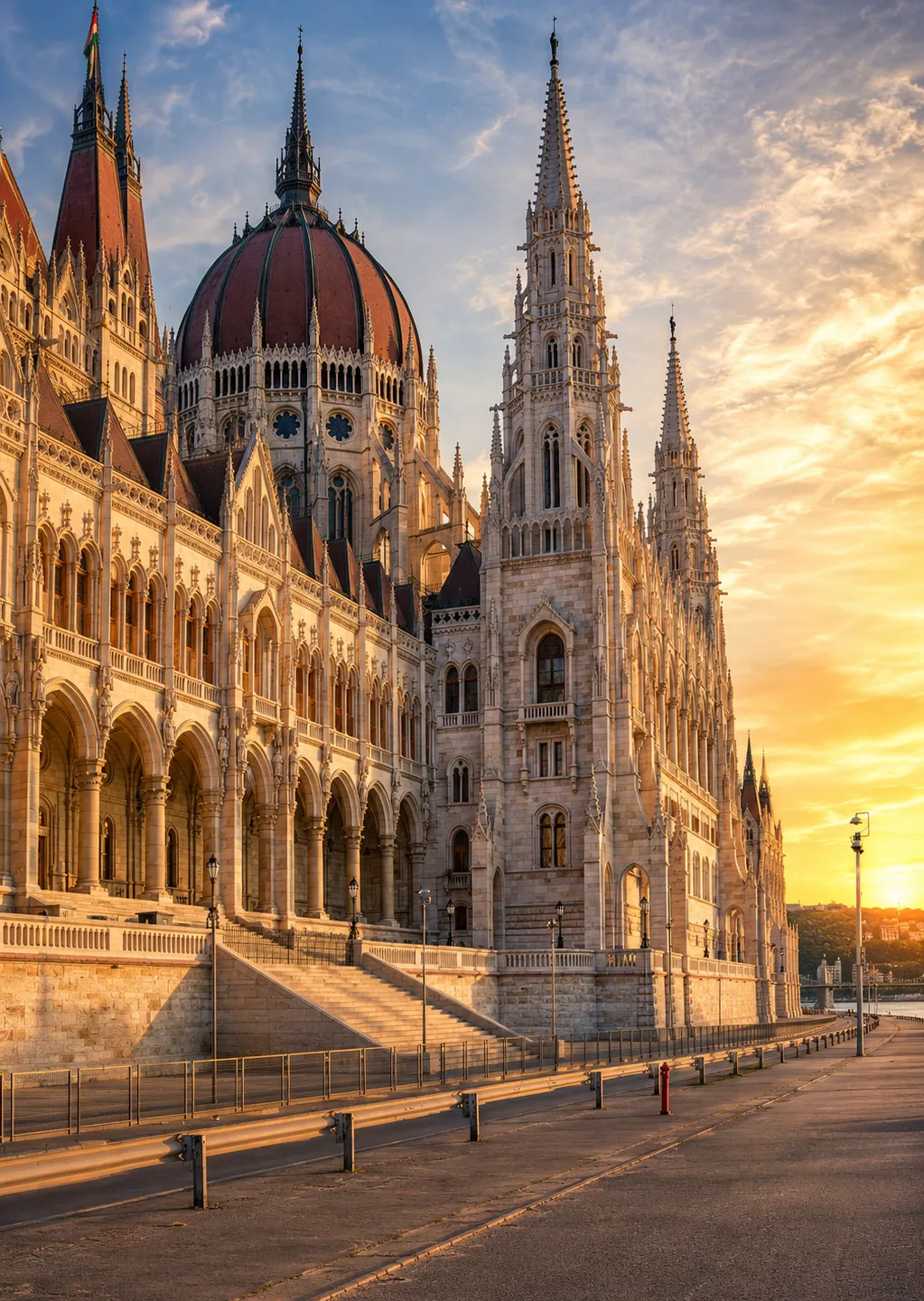
The Danube splits a city of glowing bridges, thermal baths, grand cafes, ruin bars, and castle-lit evening walks.
Trip fit
Is Budapest right for your trip?
Best for
Can I realistically visit this?
Yes. Budapest is easy to visit independently, with strong transport, accommodation, food, baths, river views, and architecture. The main planning task is choosing neighbourhood, season, and how much time to allow for both sides of the Danube.
Physical difficulty
Easy
Planning complexity
Easy independent trip
Best time to go
Best: Apr-Jun, Sep-Oct. Good: Mar, Nov-Dec. Crowded / hot: Jul-Aug. Cold: Jan-Feb.
Perfect for
- First-time Central Europe visitors, architecture lovers, thermal bath fans, couples, families, and value-conscious city travellers
Not ideal if
- Travellers wanting remote nature or a small-town escape
Compare with similar places
Budapest vs Florence vs Venice - European city beauty shaped by water, architecture, and atmosphere.
Location
Where this place is
On both sides of the Danube, useful for architecture, thermal baths, river views and an easy first visit to Central Europe.
Nearby
- Buda Castlehistoric district / central sight
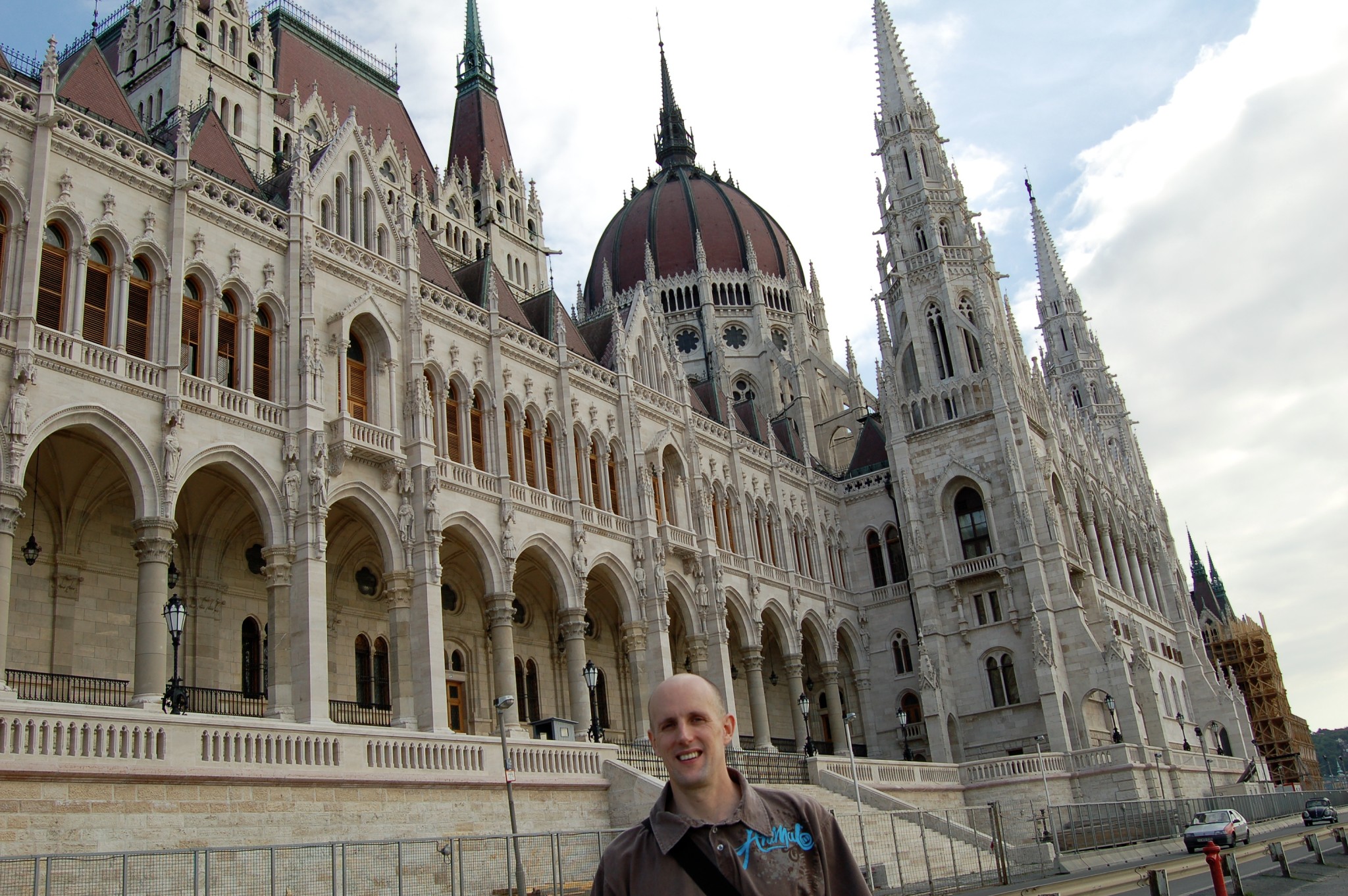
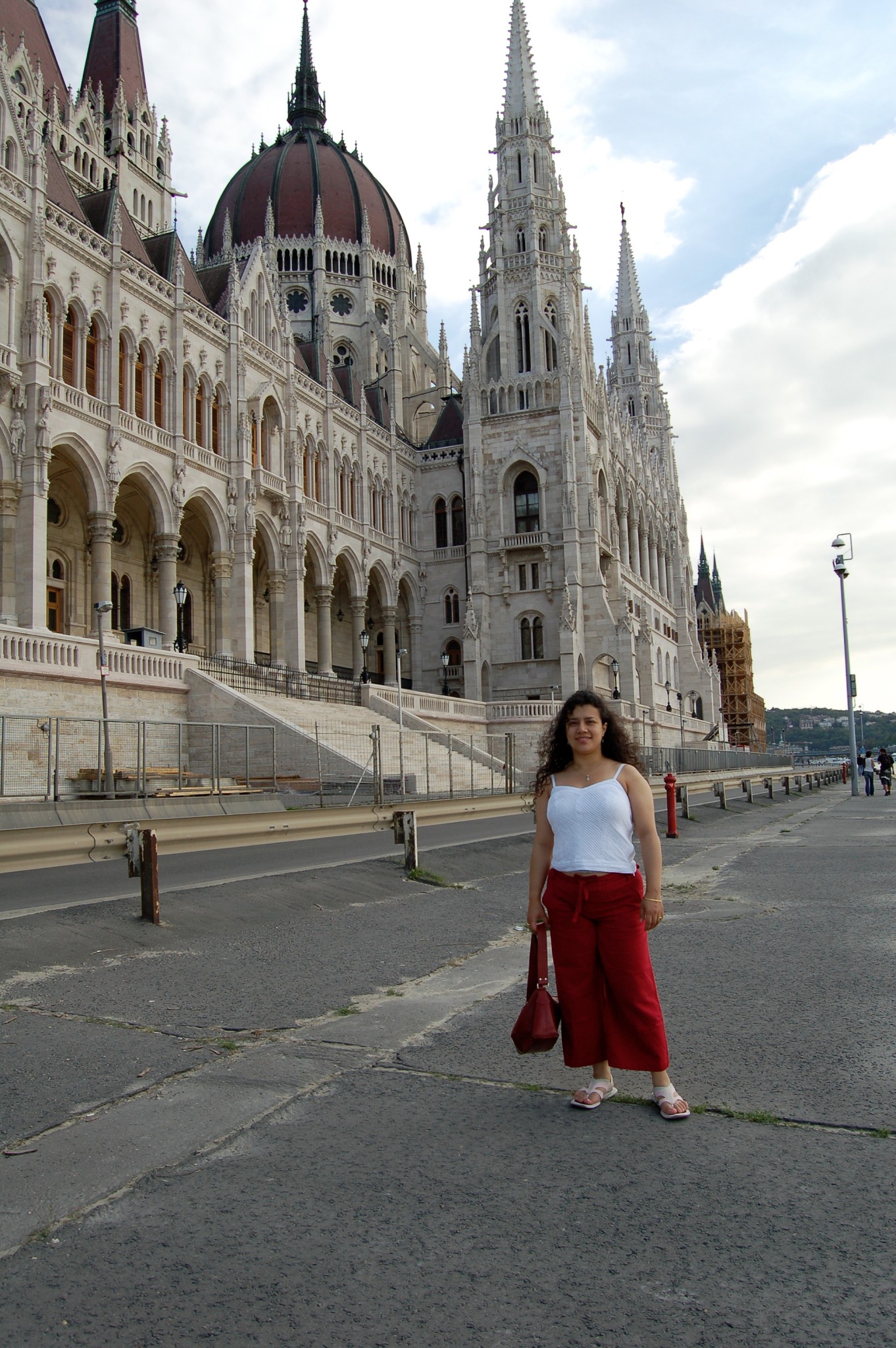
- Parliament and Danube embankmentriverfront / central sight
- Szechenyi / Gellert bathsthermal baths / classic experience
Hungary
Open location on Google Maps opens in a new tabRegional orientation only. Open Google Maps for exact location.
Travel essentials
Before you book the flight
Do you need a visa for Hungary?
Start with the country visa-policy overview, then confirm current rules with an official source before booking.
Check visa requirements before booking
Start with the visa-policy overview, then confirm the current rules with an official embassy, consulate, or government source before booking non-refundable travel.
If using a visa service, compare processing times, fees, refund rules, and whether they cover your nationality.
Optional visa service comparison opens in a new tab- 1 EUR ≈ 362.6 HUF
- 1 USD ≈ 317.1 HUF
- 1 GBP ≈ 426.3 HUF
Exchange Rates Updated Daily. Last updated on 19/Jul/2026.

Big Mac® benchmark: approx. 1660 HUF
Checked: January 2026. Prices vary by city and branch.
Approximate McDonald’s Big Mac® price where available. Prices vary by city, branch, tax, delivery channel, and date checked. This site is not affiliated with or endorsed by McDonald’s.
Source: The Economist Big Mac Index country-level data
Country-level Big Mac price from The Economist Big Mac Index
Prices Researched at May 2026
Where to stay
8+ rated stays for Budapest
Booking.com opens with an 8+ guest-score filter for Budapest, so you can compare current hotel photos, availability, prices, and recent traveler reviews before choosing a base.
8+ guest review score on Booking.com
Why it is beautiful
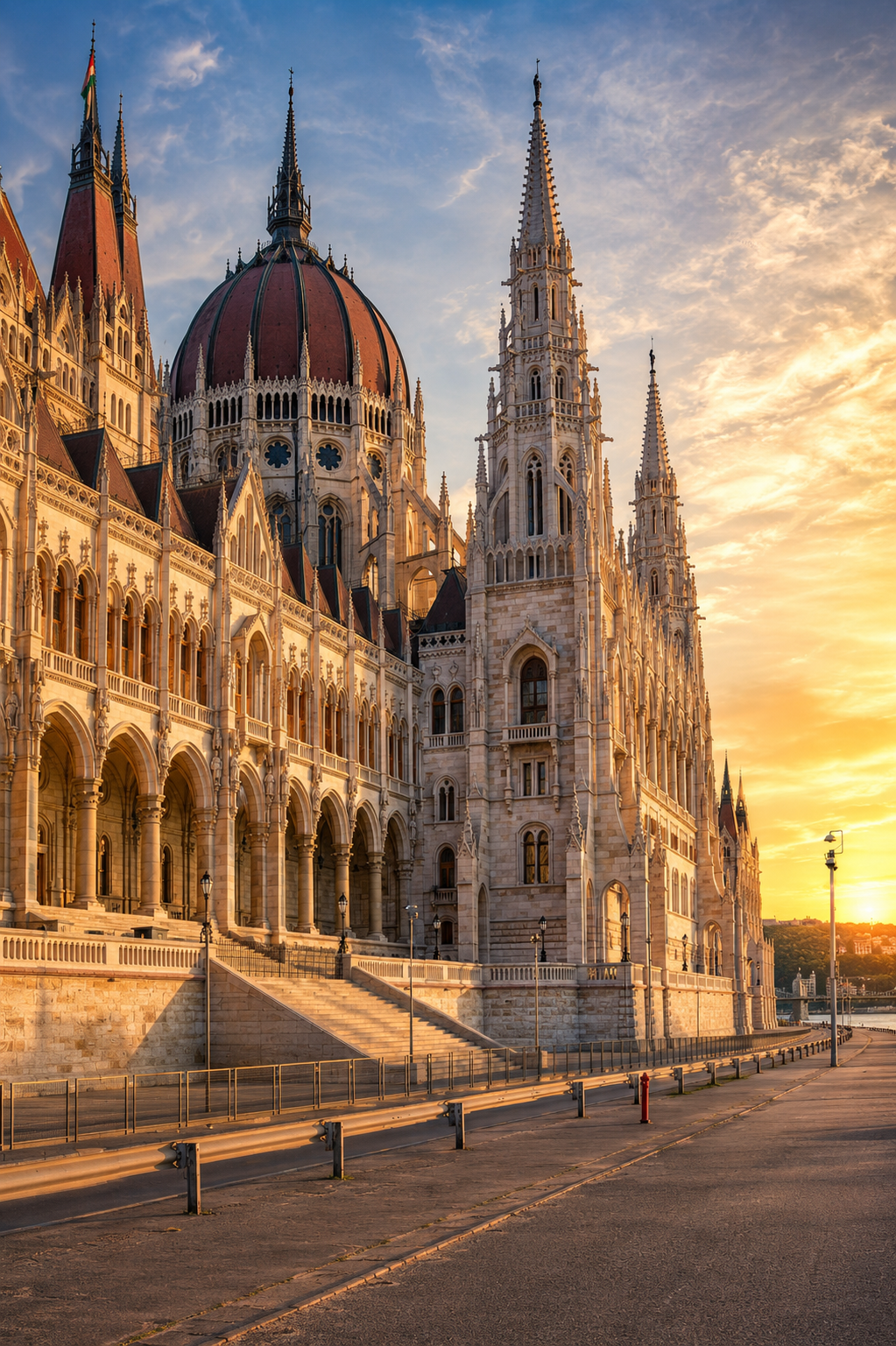
Budapest is one of Europe’s most generous grand cities: imperial architecture, thermal baths, ruin bars, a serious sense of history, and all of it significantly cheaper than Paris, Vienna, or Amsterdam. The Danube cuts between hilly Buda and flatter Pest, with Parliament, the Castle District, and a sequence of grand bridges creating one of Europe’s most dramatic city panoramas. The combination of a river-split setting, a Habsburg-scale built environment, and functioning 19th-century thermal bathhouses in the city centre puts Budapest in a category of its own.
10 practical tips to help you decide
These tips are designed to help you decide whether Budapest fits your time, budget, comfort level, and travel style.
-
The best-value grand city in Europe — and genuinely easy to visit. Budapest is the right choice for value-conscious travellers who want imperial scale, thermal baths, a strong cafe culture, and serious architecture without the cost of Paris, Vienna, or Prague’s peak-season prices. It suits architecture lovers, couples, families, and first-time Central Europe visitors. Skip it only if you are looking for remote nature or a small-town pace — Budapest is a full capital city.
-
April to June and September to October are the ideal windows. Avoid July and August. Spring and autumn offer comfortable temperatures (15–25°C), lighter crowds, and better restaurant availability. July and August are Hungary’s peak summer: hotter, busier, and more expensive than they need to be for this kind of trip. December is surprisingly good — Christmas markets, thermal baths in cold air, and dramatic river lighting — though accommodation prices spike around Christmas and New Year.
-
Budapest is easy to reach by low-cost flight, train, or bus. Regular direct flights connect Budapest (BUD) to most European cities. From the airport, the 100E bus runs directly to Deák Ferenc tér in the city centre; avoid unlicensed taxi touts at arrivals and use only the official taxi ranks or pre-booked apps. Once in the city, trams and metro work well. The BudapestGO app handles tickets and route planning. Budapest is also a natural stop on Vienna–Budapest or Warsaw–Budapest train itineraries.
-
Allow three to four nights minimum. Four is better. Three nights gives you Buda (Castle District, Fisherman’s Bastion, views) and Pest (Parliament, Great Market Hall, Jewish Quarter, ruin bars) without rushing. The fourth night opens up a full thermal bath afternoon, a Danube dinner, and the lit riverfront at leisure. Day trips to the Danube Bend (Visegrád, Esztergom, Szentendre) are easy by HÉV suburban rail and worth adding if you have a fifth day.
-
Stay near a metro or tram stop, just outside the most tourist-dense central streets. The VII district (Jewish Quarter) and VIII district edges offer significantly better value than the V district tourist core while keeping you within easy walking or tram distance of everything. A short ride on tram 2 along the Pest embankment costs almost nothing and delivers the best Parliament views in the city.
-
Budapest is very good value — but check the Budapest Card maths before buying. Food, drinks, and public transport are substantially cheaper than Western Europe. The Budapest Card includes public transport and some museum entries; it is only cost-effective if you visit multiple paid attractions — check exactly what is included before buying. For most visitors, a transport pass and individual museum tickets work out cheaper. Avoid eating on the main riverfront tourist strips; the best food is in the Jewish Quarter and at the Great Market Hall.
-
No visa required for most Western passports. Standard EU safety rules apply. EU, UK, and US passport holders do not need a visa for Hungary. Budapest is a safe European capital; the main practical risk is pickpocketing in crowded tourist areas and on public transport — keep cards and phone in a front pocket. Unlicensed taxi drivers at the airport and train station charge well above official rates; use only the official airport taxi rank or pre-booked Bolt/Uber.
-
Book thermal baths and Parliament tours in advance during busy periods. Budapest has several famous thermal bathhouses: Széchenyi is the largest and most photographed, Gellért is architecturally the most impressive, and Lukács is often better value with shorter queues. All three can be booked online ahead. Parliament tours sell out quickly in peak season — book at least a day ahead. For baths, weekday morning visits are considerably quieter than weekend afternoons.
-
Fisherman’s Bastion before 9am or after 6pm — midday is a crowd management exercise. The Neo-Romanesque terraces of Fisherman’s Bastion deliver the best direct views of Parliament across the Danube, but they are extremely popular at midday. Go early for architecture photography without crowds, or return at dusk when the Parliament and Chain Bridge light up. The Castle District is pleasant to wander any time, but early morning makes it feel like a different city.
-
The lit riverfront after dark is free — skip expensive dinner cruises. The most dramatic Budapest experience costs nothing: walking the Pest embankment or taking tram 2 after dark, with Parliament, the bridges, and the Castle District lit against the river. Dinner cruises are expensive, have limited food quality, and block the views you came for. A tram ticket, a glass of wine from a ruin bar, and an evening embankment walk delivers the same visual experience at a fraction of the price.
Gallery
More views of Budapest