Europe / Romania
Carpathian Mountains
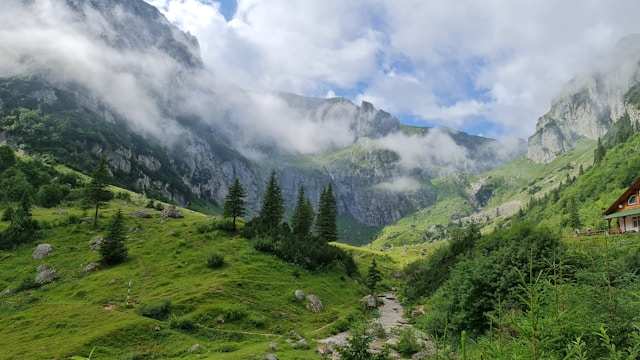
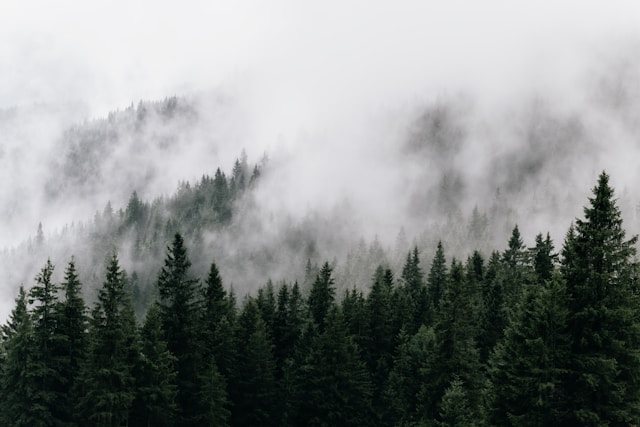
Romania's wild mountain spine folds castles, bear forests, shepherd ridges, and sharp limestone trails into one cinematic escape.
Trip fit
Is Carpathian Mountains right for your trip?
Best for
Can I realistically visit this?
Yes. The Carpathians are broad and varied, so choose a specific country and base. Planning depends on whether you want gentle village walks, national parks, wildlife, winter scenery, or longer ridge hikes.
Physical difficulty
Easy to strenuous, depending on route
Planning complexity
Needs some planning
Best time to go
Best: Jun-Sep. Good: May, Oct. Snow / possible: Dec-Mar. Shoulder: Apr, Nov.
Perfect for
- Hikers, families, road-trippers, forest lovers, village stays, and travellers wanting European mountains without Alpine prices everywhere
Not ideal if
- Visitors who have not narrowed the region or who expect one single simple destination
Compare with similar places
Carpathian Mountains vs Mittenwald vs Annapurna - mountain travel across a wide range of difficulty and infrastructure.
Location
Where this place is
Across Romania's mountain arc, useful for forested ridges, bear-country landscapes, castles and traditional villages.
Nearby
- Brasovcity base / common access point
- Bran / Rasnov areacastle country / regional anchor
- Piatra Craiuluimountain park / hiking area
Romania
Open location on Google Maps opens in a new tabRegional orientation only. Open Google Maps for exact location.
Travel essentials
Before you book the flight
Do you need a visa for Romania?
Start with the country visa-policy overview, then confirm current rules with an official source before booking.
Check visa requirements before booking
Start with the visa-policy overview, then confirm the current rules with an official embassy, consulate, or government source before booking non-refundable travel.
If using a visa service, compare processing times, fees, refund rules, and whether they cover your nationality.
Optional visa service comparison opens in a new tab- 1 EUR ≈ 5.24 RON
- 1 USD ≈ 4.58 RON
- 1 GBP ≈ 6.16 RON
Exchange Rates Updated Daily. Last updated on 19/Jul/2026.

Big Mac® benchmark: approx. 17.45 RON
Checked: January 2026. Prices vary by city and branch.
Approximate McDonald’s Big Mac® price where available. Prices vary by city, branch, tax, delivery channel, and date checked. This site is not affiliated with or endorsed by McDonald’s.
Source: The Economist Big Mac Index country-level data
Country-level Big Mac price from The Economist Big Mac Index
Prices Researched at May 2026
Where to stay
8+ rated stays for Carpathian Mountains
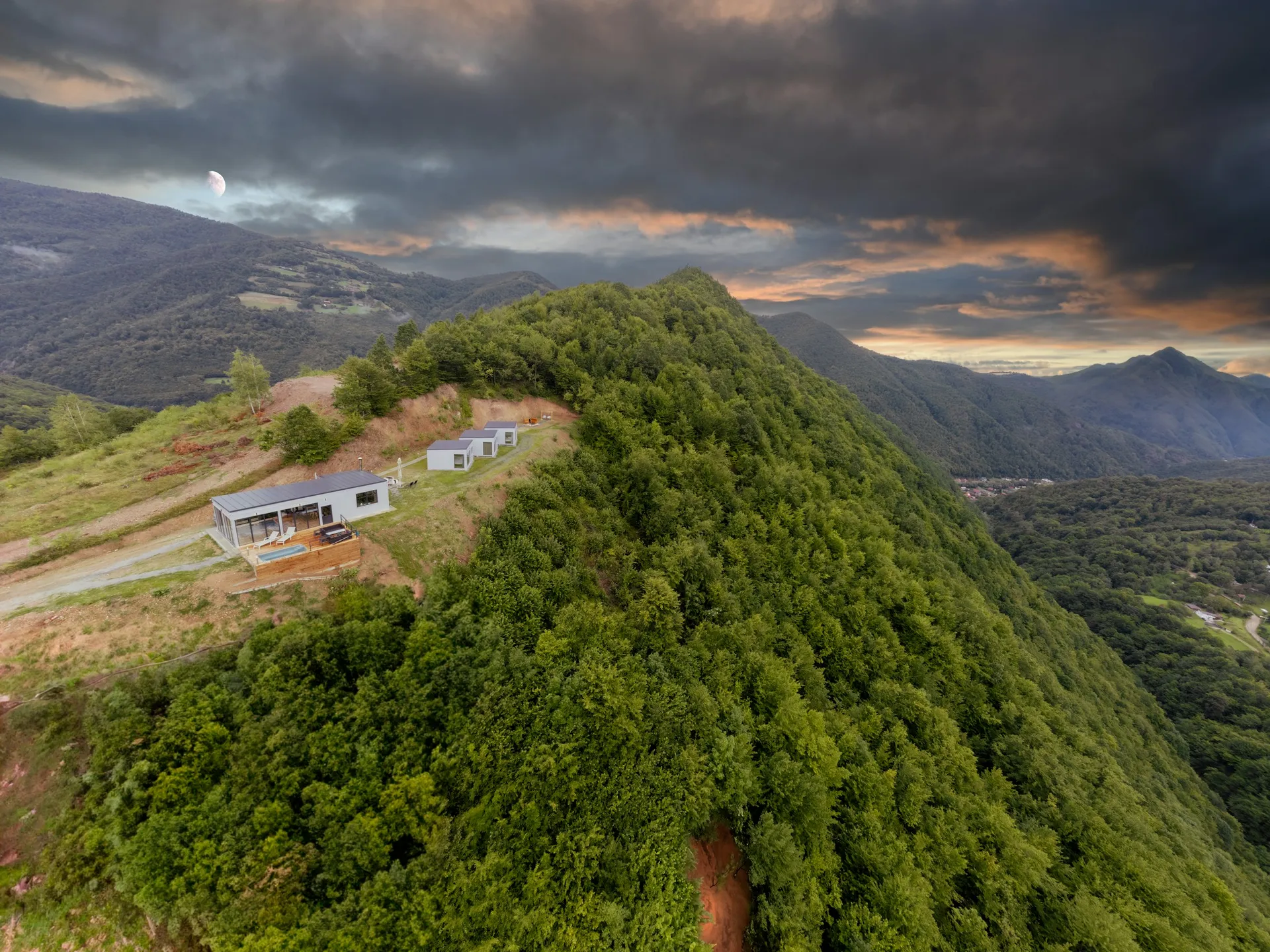
Booking.com opens with an 8+ guest-score filter for Carpathian Mountains, so you can compare current hotel photos, availability, prices, and recent traveler reviews before choosing a base.
8+ guest review score on Booking.com
Why it is beautiful
The Romanian Carpathians hold forested valleys, limestone ridges, shepherd landscapes, ancient wooden villages, medieval castles, and Europe’s largest population of brown bears — and the hiking costs a fraction of what it would in the Alps. The range is diverse: Bucegi offers easy access from Bucharest and Brașov, Piatra Craiului gives sharper ridge walks above limestone cliffs, and the Făgăraș ridge runs for 75 kilometres at altitude. The combination of mountain scenery, living cultural landscape, and genuine affordability makes the Carpathians one of Europe’s most underrated week-long destinations.
10 practical tips to help you decide
These tips are designed to help you decide whether the Carpathian Mountains fit your time, budget, comfort level, and travel style.
-
Choose a specific area first — the Carpathians are too vast to approach without focus. The Carpathians arc across Romania, Slovakia, Poland, and Ukraine. For a first trip, pick one Romanian area: Brașov and its surroundings (Piatra Craiului, Bucegi, Bran Castle), Sibiu and the Retezat, or the Apuseni in Transylvania. Travellers who try to cover too much end up spending their trip in cars or on trains. The Carpathians suit hikers, families, road-trippers, forest lovers, and anyone wanting European mountain culture without Alpine prices. They do not suit visitors who expect one clear destination point.
-
June to September for hiking. September is often the sweet spot. The hiking season runs June to September. July and August are the busiest months with the most reliable warm weather. September brings cooler temperatures, autumn colours beginning in the forests, and noticeably fewer walkers on the most popular ridges. Spring (April–May) can be muddy or snowy at altitude, with some trails still clearing. Winter transforms the Carpathians into a different trip: skiing, snow-shoe routes, and cosy mountain huts — excellent, but plan for those conditions specifically.
-
Fly or train to Bucharest, then take the train to Brașov. Bucharest (OTP or Henri Coandă) is the main gateway. Brașov is the most practical first-trip hub: 2.5 hours from Bucharest by train, with direct access to Piatra Craiului, Bucegi, and the medieval towns of the Brașov basin. For Sibiu, Sinaia, or the Apuseni, separate connections run from Bucharest. A rental car significantly improves flexibility for trailheads, villages, and photography stops.
-
Four to seven days is the realistic window. Don’t try to cover more than two areas. A 4-day trip from Brașov can cover one good mountain range (day hikes, not multi-day), Bran Castle, medieval Brașov, and one or two Transylvanian villages. A week gives room for a second range, a longer ridge day, and a more relaxed pace. Trying to reach Retezat, Apuseni, and Piatra Craiului in the same trip usually means spending most of it travelling.
-
Brașov is the best all-round base. Sinaia for Bucegi. Zărnești for Piatra Craiului. Brașov combines medieval architecture, easy access to multiple ranges, train connections, and a strong accommodation scene. Sinaia (on the Bucharest–Brașov rail line) gives quick access to Bucegi and Pelеș Castle. Zărnești, 28 km from Brașov, is the village base for Piatra Craiului’s best hiking. For Retezat or the far west, Sibiu is the better hub.
-
Romania is excellent value — one of Europe’s better-value mountain destinations. Guesthouses in mountain villages run €25–60 per night; local restaurants charge €5–12 for a main course. Transport by train and local bus is cheap. Budget around €50–80 per person per day for a comfortable Carpathians trip including accommodation, food, and activities. The main cost driver is the international flight to Bucharest, not the in-country spend.
-
Bears are present in the forests — take basic precautions seriously. Romania has Europe’s largest population of brown bears, and the Carpathians have active bear populations in most forested areas. Make noise on forest trails (especially dense sections), do not approach or leave food accessible, and follow local guidance if posted. Bears are rarely a problem for sensible hikers, but the risk is real and not theoretical. Mountain weather also changes fast: always carry an extra layer, waterproof, and check the local forecast before any longer hike.
-
Do day hikes before committing to remote multi-day routes. Many Carpathian trails are steep, exposed, and more demanding than they look on a map. For a first visit, build the itinerary around day hikes from a fixed base — this lets you read the terrain and adjust. Longer ridge routes (Făgăraș, Bucegi plateau, Piatra Craiului) are very rewarding but should be planned with proper navigation, weather awareness, and physical preparation.
-
Bran Castle and the medieval towns are worth combining with the hiking. Bran (“Dracula’s Castle”) is more atmospheric than its reputation suggests, especially if visited early before the day-tour buses. Brașov’s medieval core, Sighișoara (one hour north-west), and Sibiu are among Central Europe’s best-preserved historic towns. Combining mountain days with one or two town visits — rather than staying purely on the trails — makes a much richer Carpathian trip.
-
September combines clear air, autumn colour, and fewer walkers — it is often the best month. By early September, daytime temperatures at altitude drop to 10–18°C: cool enough for long hiking days, warm enough for comfortable evenings. The beech and mixed forests begin turning on the lower slopes, the summer crowds thin noticeably, and accommodation is easier to find. For photography, late September and early October can produce exceptional forest light before the trails start closing for winter conditions.
Gallery
More views of Carpathian Mountains