Africa / Ethiopia
Danakil Depression
A volcanic rift below sea level where salt caravans, sulphur springs, lava, and Afar desert camps feel almost extraterrestrial.
Trip fit
Is Danakil Depression right for your trip?
Best for
Can I realistically visit this?
Yes, but only with serious planning. Danakil is a remote, hot, harsh desert region where most visitors should use an experienced local operator. Expect long drives, basic conditions, heat exposure, and a trip that depends on current local access and security advice.
Physical difficulty
Moderate to strenuous
Planning complexity
Complex / specialist trip
Best time to go
Best: Nov-Feb. Good: Mar, Oct. Avoid / Very hot: Apr-Sep.
Perfect for
- Travellers who want volcanic colours, salt flats, desert heat, and a landscape that feels almost planetary
- photographers and experienced travellers
Not ideal if
- Heat-sensitive travellers, families with young children, comfort-first travellers, or anyone unwilling to use local expert logistics
Compare with similar places
Danakil vs Djanet vs Yangykala Canyon - extreme desert landscapes for travellers who want something raw and otherworldly.
Location
Where this place is
Danakil Depression is in Ethiopia / Africa, useful for dramatic landscapes, photography and remote/adventurous travel before you choose routes, bases, and timing.
Ethiopia / Africa
Open location on Google Maps opens in a new tabRegional orientation only. Open Google Maps for exact location.
Travel essentials
Before you book the flight
Do you need a visa for Ethiopia?
Start with the country visa-policy overview, then confirm current rules with an official source before booking.
Check visa requirements before booking
Start with the visa-policy overview, then confirm the current rules with an official embassy, consulate, or government source before booking non-refundable travel.
If using a visa service, compare processing times, fees, refund rules, and whether they cover your nationality.
Optional visa service comparison opens in a new tab- 1 EUR ≈ 184.1 ETB
- 1 USD ≈ 161.0 ETB
- 1 GBP ≈ 216.4 ETB
Exchange Rates Updated Daily. Last updated on 19/Jul/2026.

No McDonald’s benchmark available.
Use local café / fast-food meal prices instead.
Approximate McDonald’s Big Mac® price where available. Prices vary by city, branch, tax, delivery channel, and date checked. This site is not affiliated with or endorsed by McDonald’s.
Source: Countries with McDonald's restaurants reference
No reliable McDonald's/Big Mac benchmark found; likely no official McDonald's presence
Prices Researched at May 2026
Where to stay
8+ rated stays for Danakil Depression
Booking.com opens with an 8+ guest-score filter for Danakil Depression, so you can compare current hotel photos, availability, prices, and recent traveler reviews before choosing a base.
8+ guest review score on Booking.com
A destination guide built directly from trip reports in the archive.
Why it is beautiful
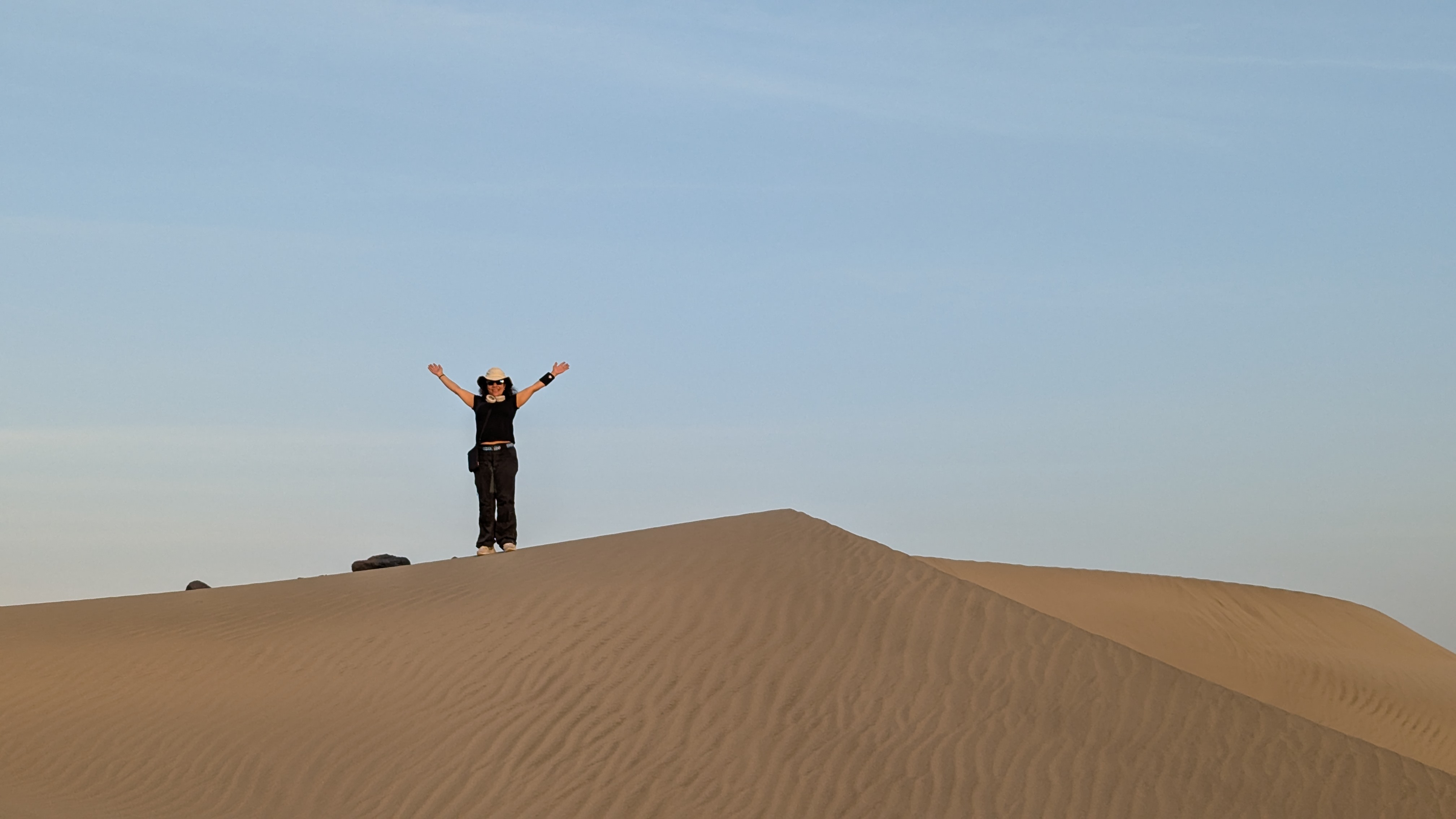
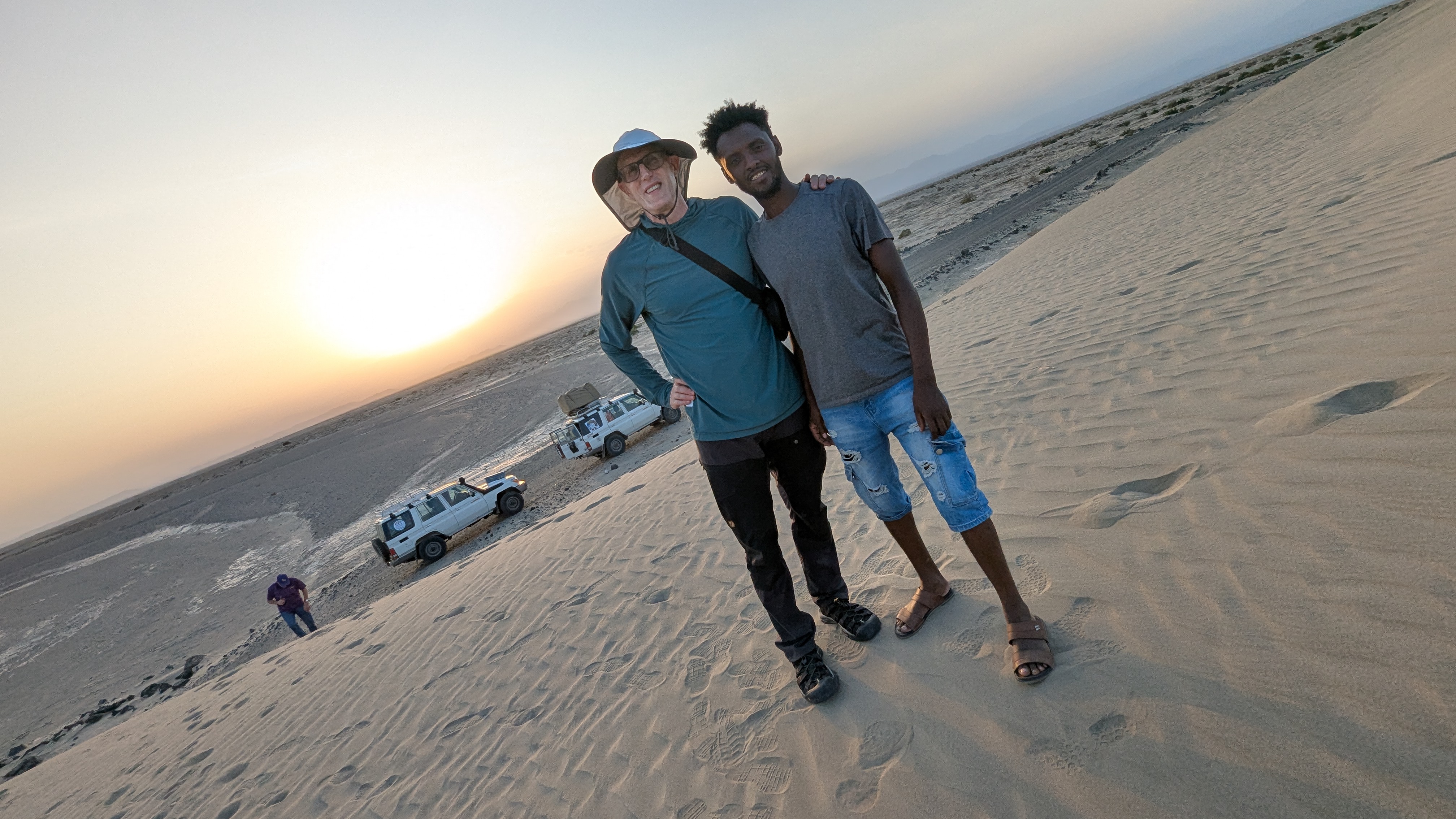
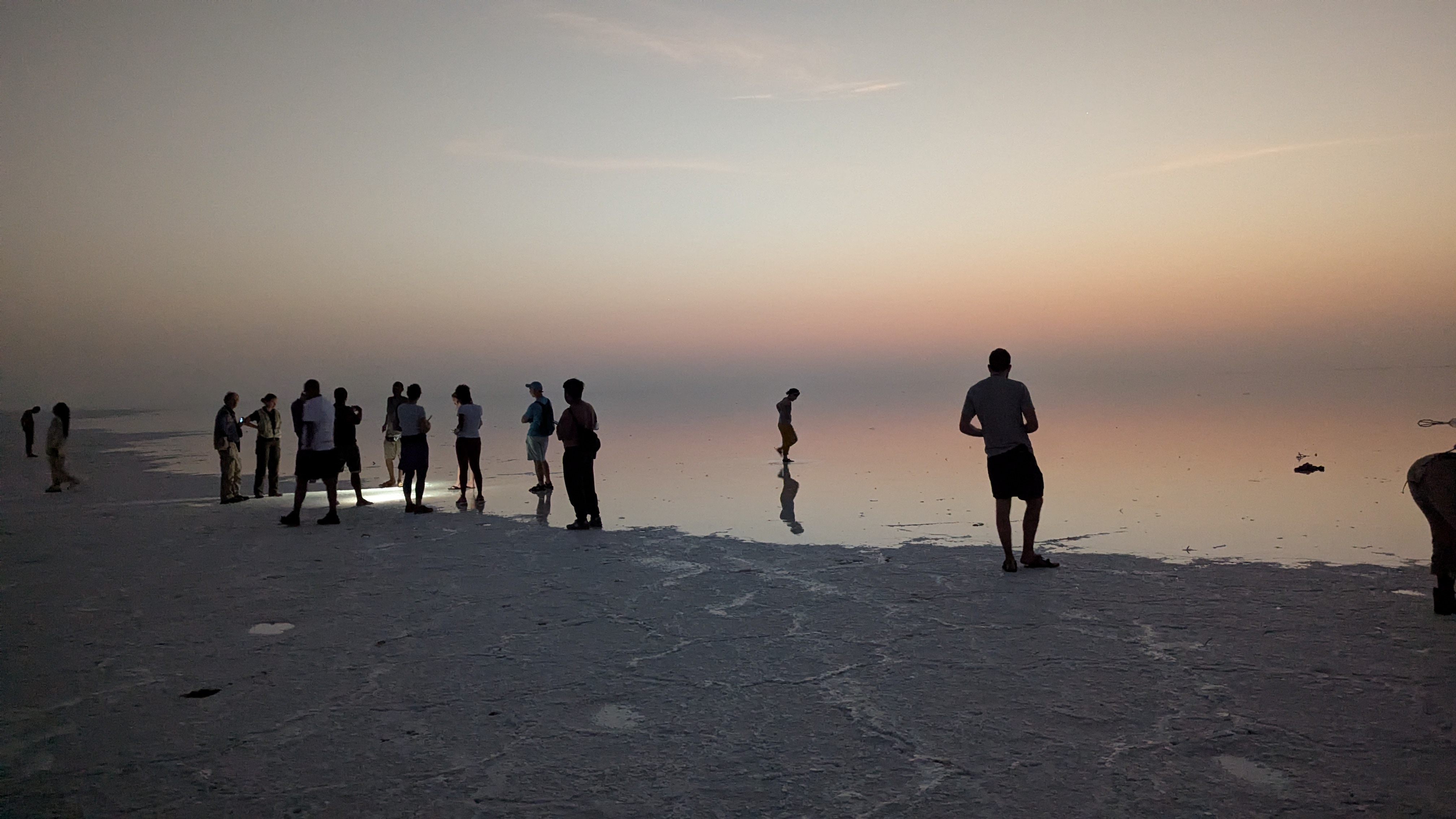
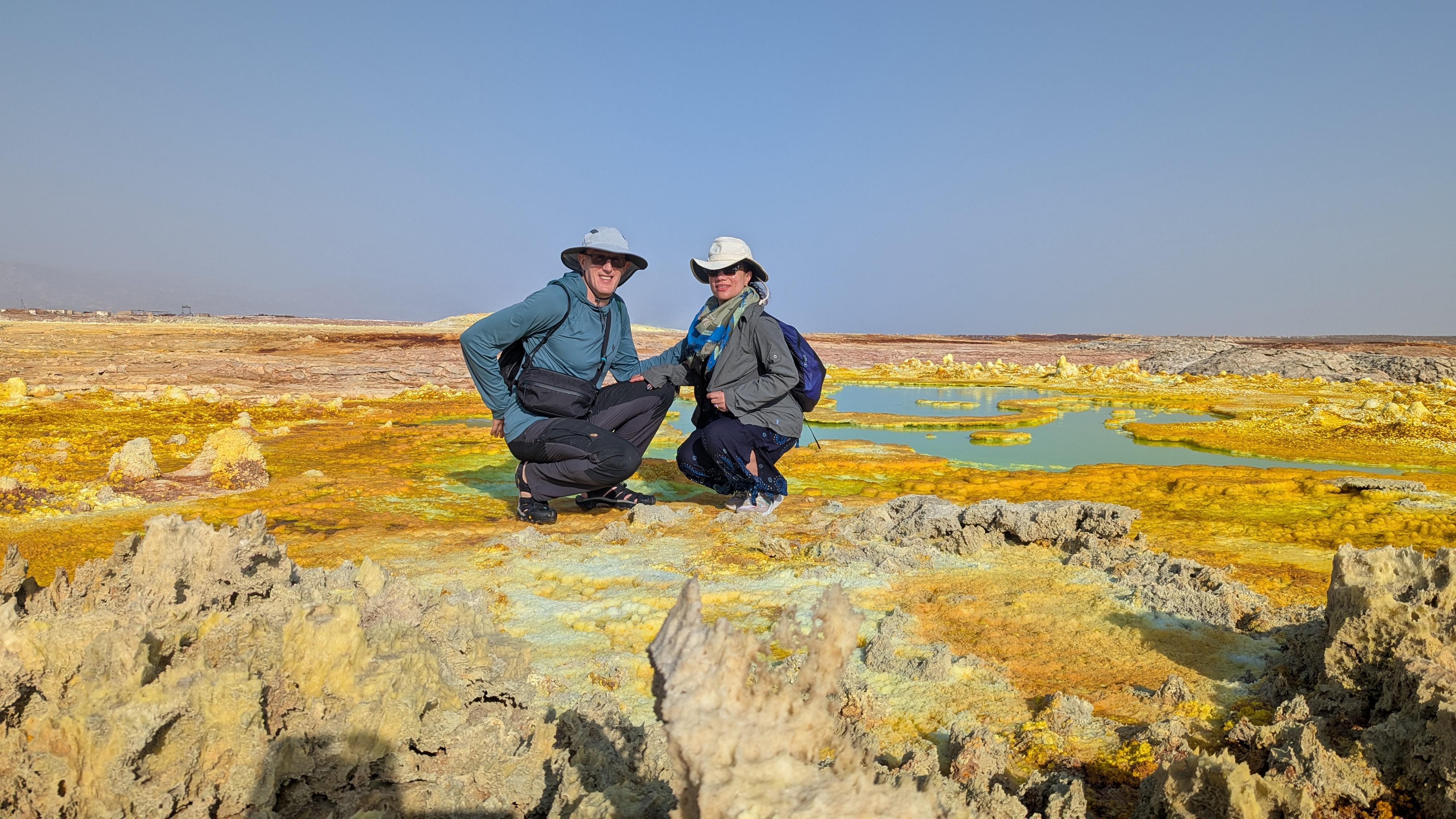
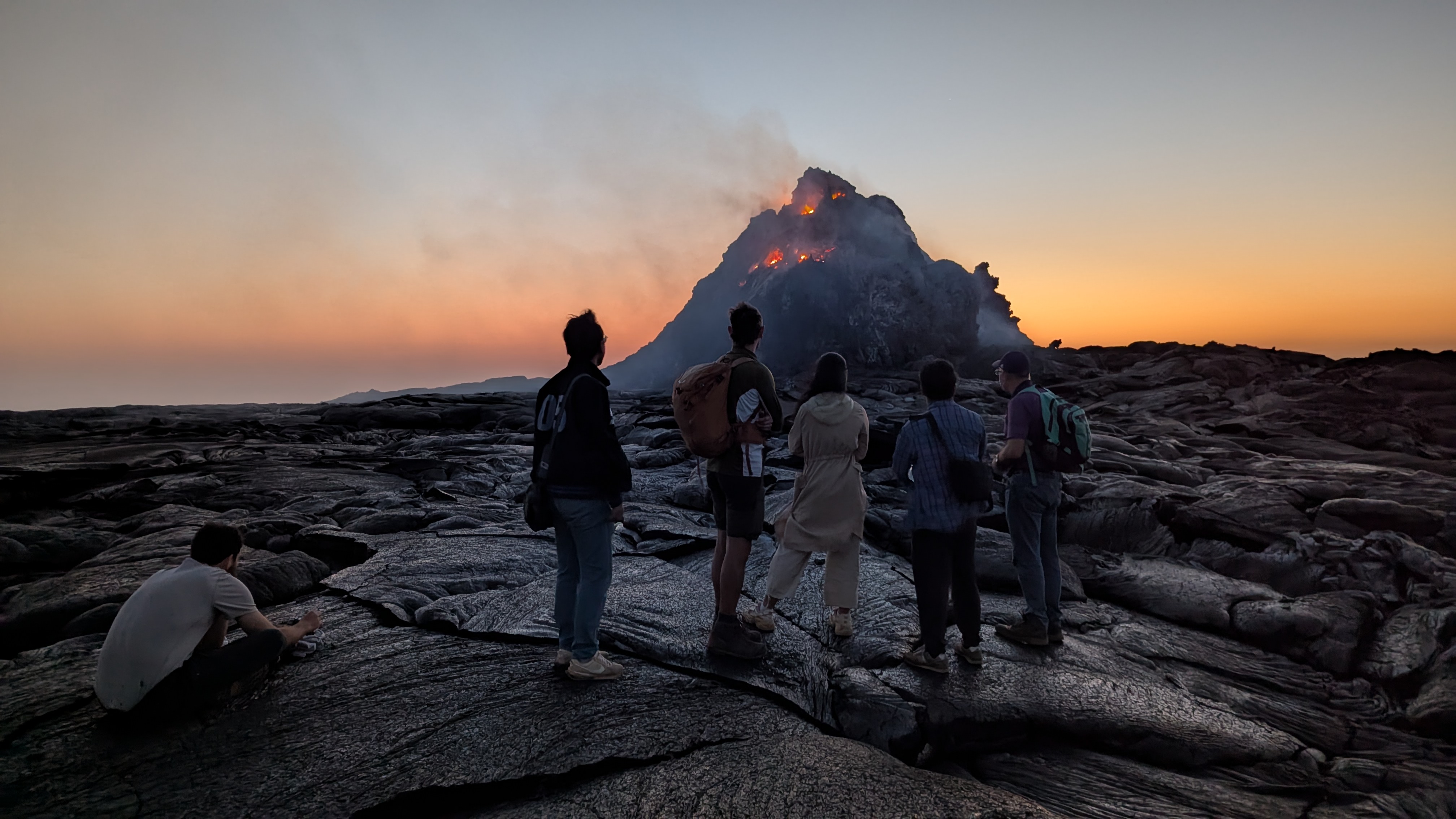
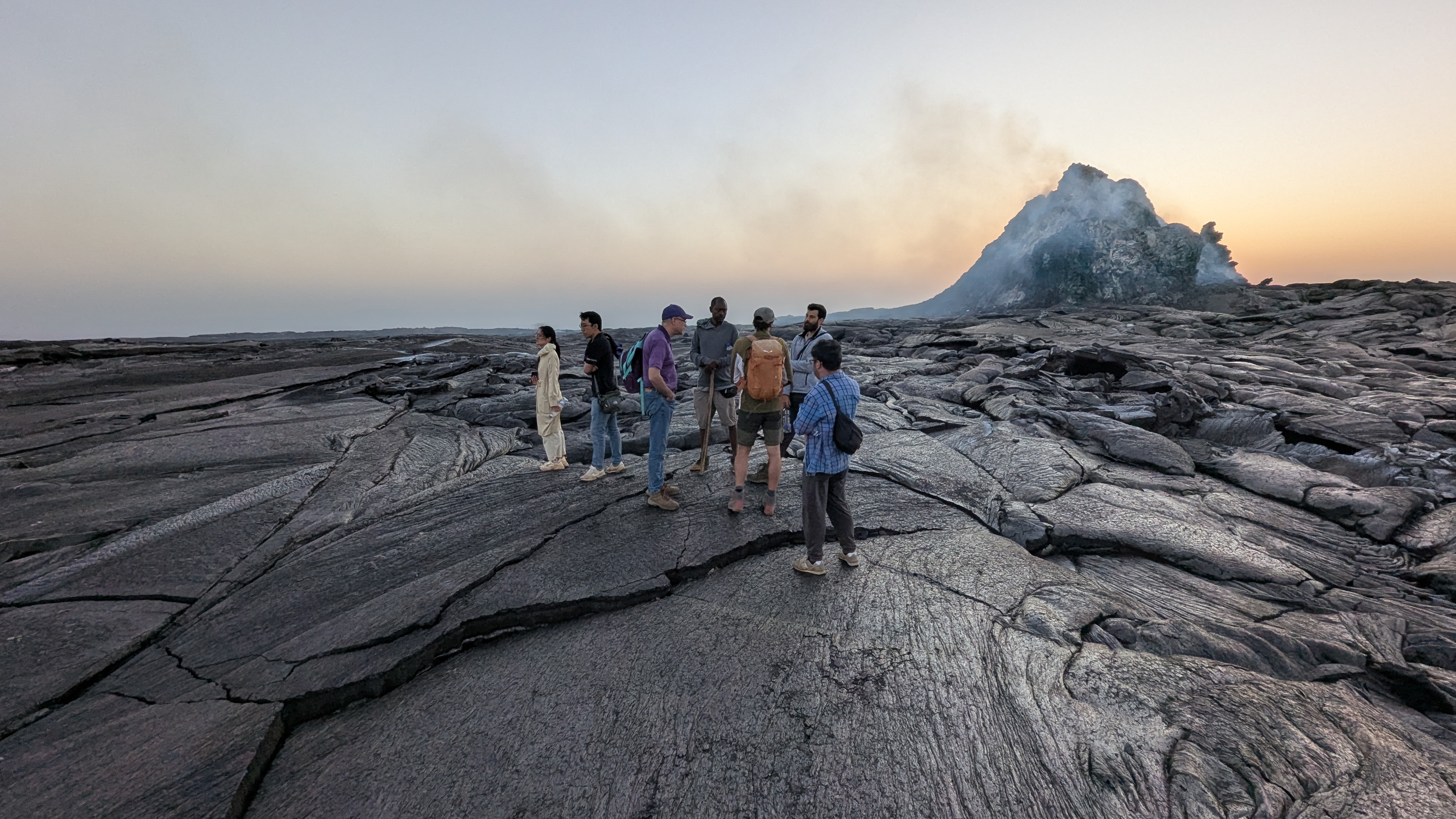
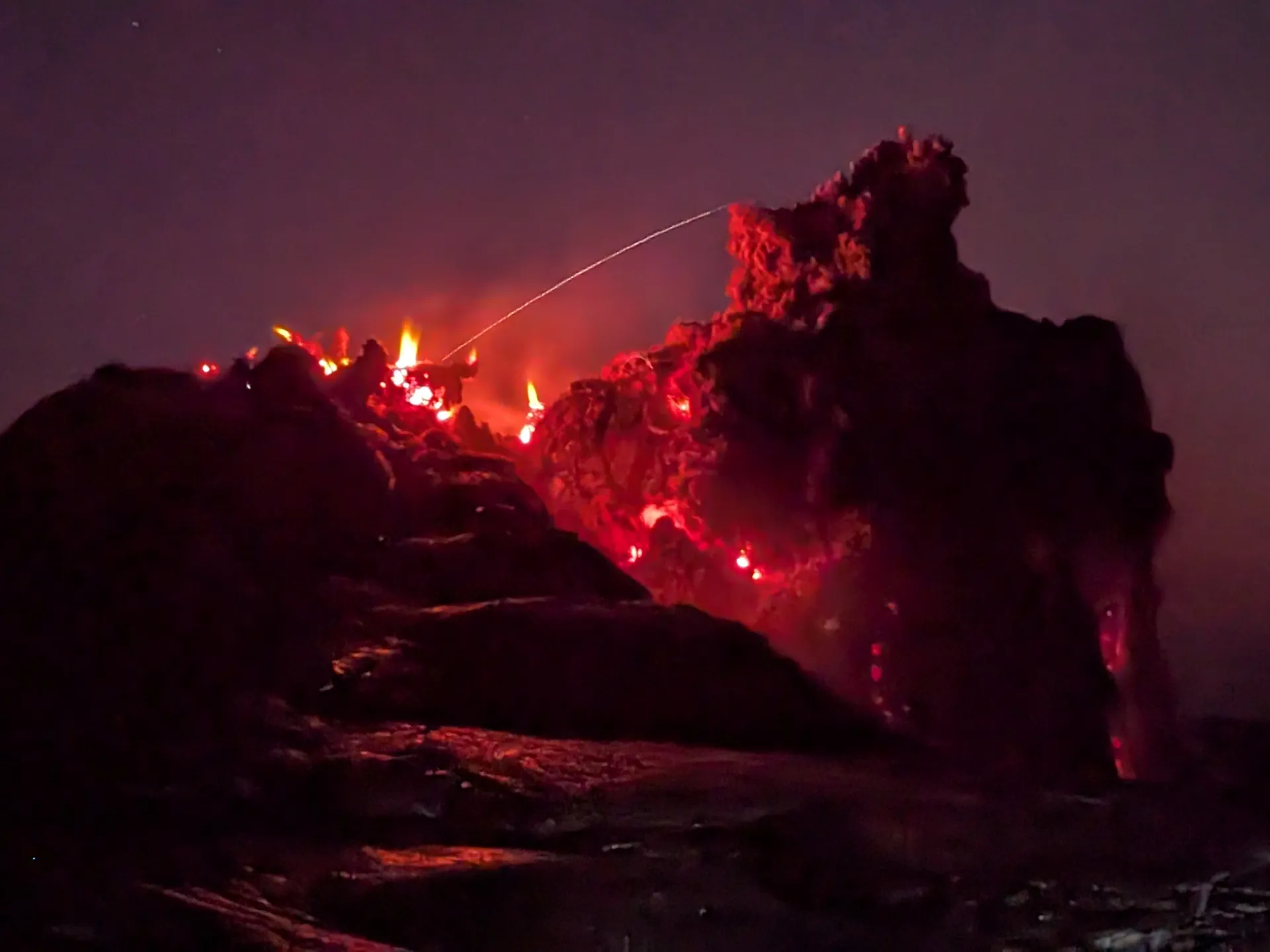
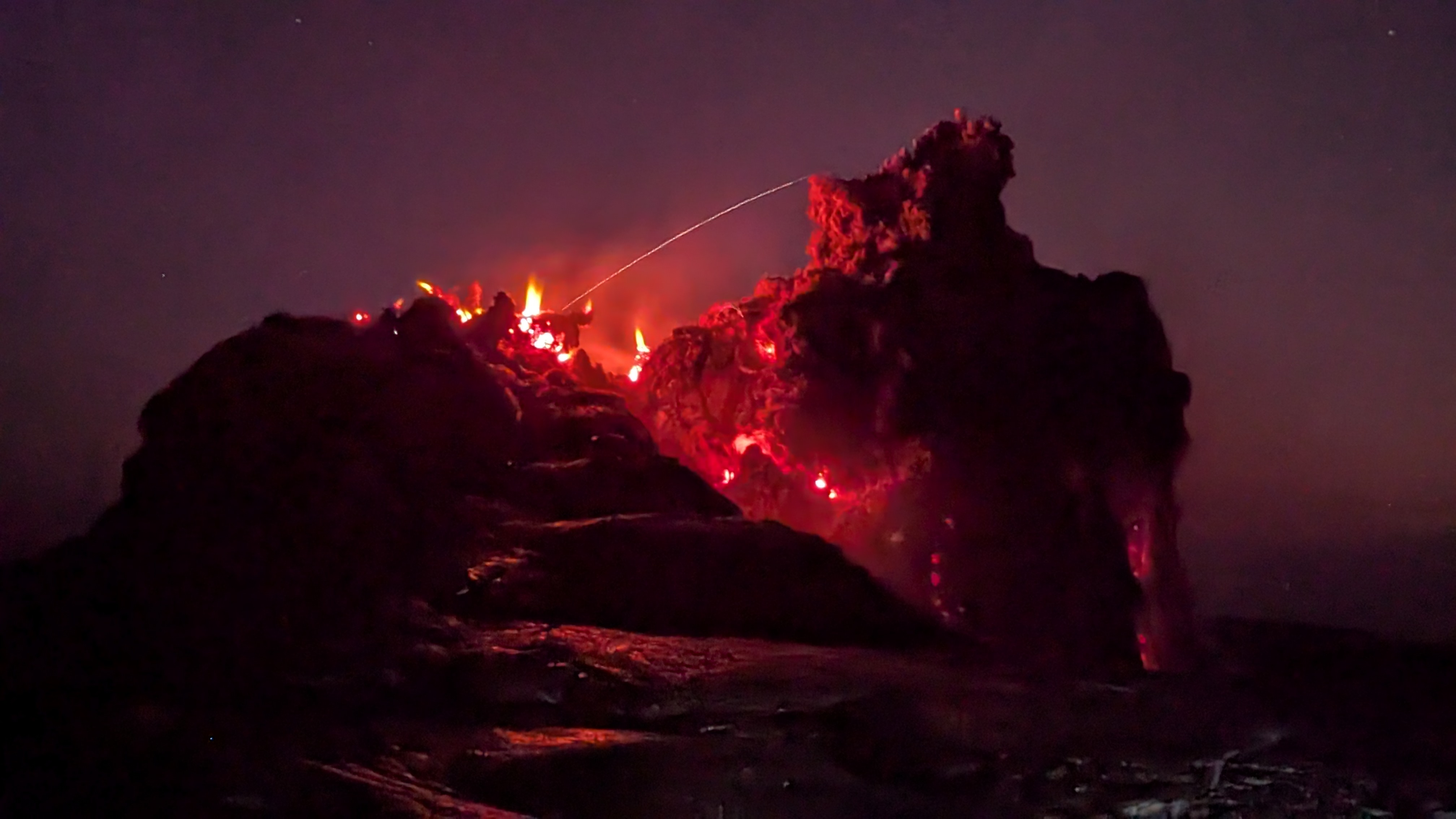
The Danakil Depression is a tectonic spreading rift where Africa is pulling apart — mostly below sea level, with the continent’s lowest dry point at Dallol (−125 m), an active lava lake at Erta Ale visible from the crater rim after dark, and neon-yellow and green sulphur springs that look almost digital against the black rock. Salt-mining camel caravans still cross Lake Karum using methods unchanged for centuries, and the Afar people who live and work in this landscape are one of the most distinct cultures in East Africa. The combination of active volcanic geology, extreme heat, and a functioning desert economy produces an environment that genuinely feels unlike anywhere else on the planet. This is not comfortable travel — it is one of the most extreme accessible landscapes on Earth, and that is the reason to go.
10 practical tips to help you decide
These tips are designed to help you decide whether the Danakil Depression fits your time, budget, comfort level, and travel style.
-
For experienced, heat-tolerant travellers who want a genuinely extreme landscape — a specialist expedition, not a casual trip. Danakil suits travellers who want active volcanic geology, the Erta Ale lava lake, Dallol’s surreal mineral formations, and a salt-caravan desert economy at the limit of what is comfortable. Skip it if you are heat-sensitive, unwilling to sleep outside on a volcano, or looking for a destination that can be done independently or quickly — Danakil requires a capable operator, deliberate preparation, and several days.
-
November to February only. April to September is life-threateningly hot. Danakil is one of the hottest inhabited places on Earth, with summer daytime temperatures regularly exceeding 50°C. November to February brings more manageable heat (30–40°C daytime) and the only realistic window for safe multi-day travel. Nights on Erta Ale’s crater rim are cold and windy — pack a warm layer regardless of daytime conditions. March and October are feasible for experienced travellers but hot. June to August: do not attempt it.
-
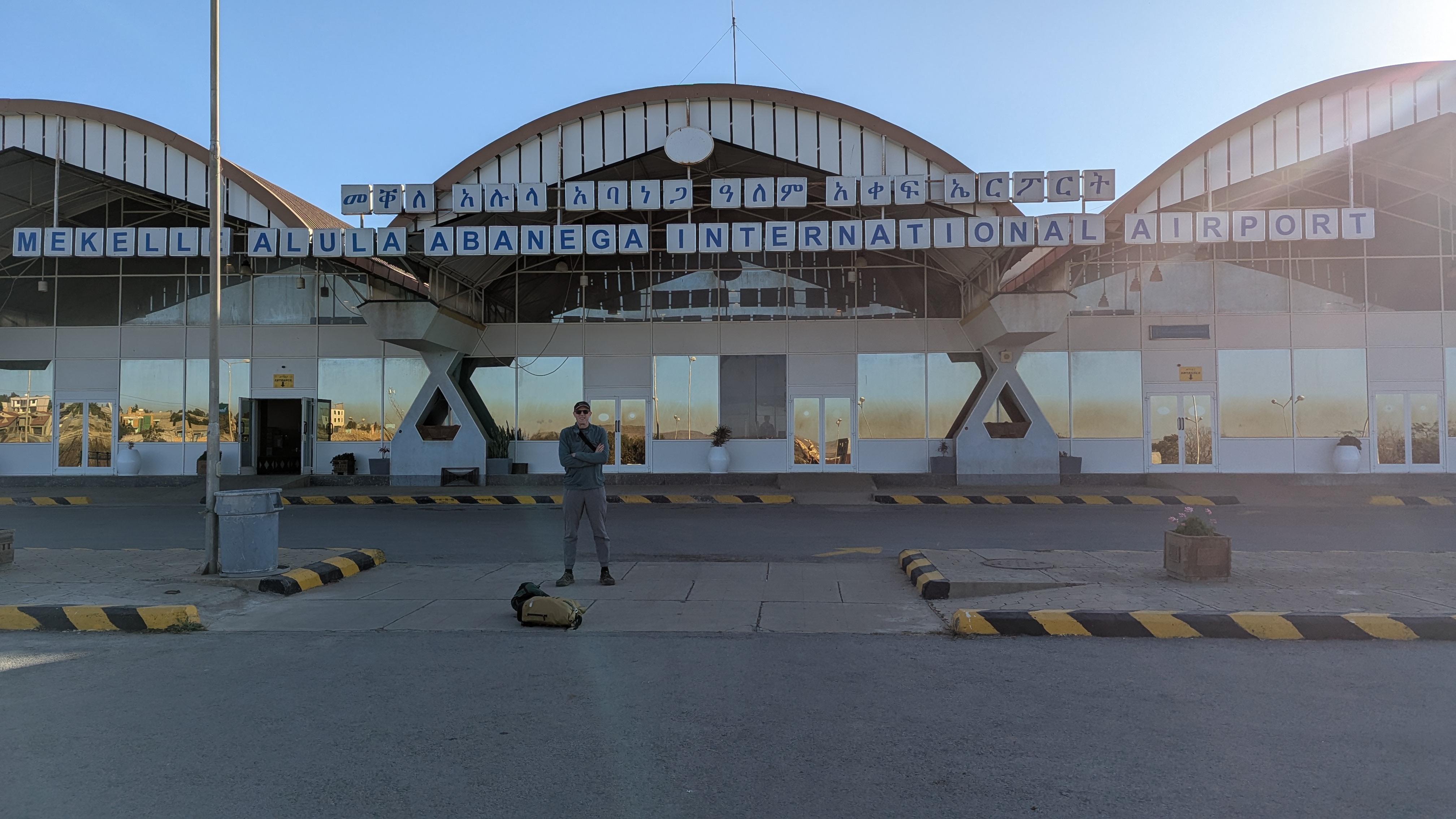
Fly Addis Ababa to Semera, then join an organised tour — this cannot be visited independently. All Danakil access is through an organised operator with 4x4 vehicles, armed escort (required by local authorities), police permits, and logistics. The jumping-off point shifted from Mekele to Semera following the Tigray war; confirm the current access point with your operator at booking. Ethiopian Airlines flies Addis–Semera. Most nationalities need an Ethiopian e-Visa (USD 82 for 30 days) at evisa.gov.et — apply at least a week in advance.
-
A three-day Danakil + Erta Ale programme is the standard itinerary. Day 1: Semera → Lake Afdera salt lake → Hamed Ela camp, passing camel caravans on the road. Day 2: Dallol sulphur springs early morning (heat forces an early start), then drive to Erta Ale base and hike 3 hours to the crater rim at sunset to sleep. Day 3: pre-dawn lava-lake view, hike down, return to Semera. A two-day trip is possible but compressed. Five days allows more time at Dallol and the Afar lowlands.
-
Camp accommodation only — rope cots at Erta Ale, basic tents at Hamed Ela. Accommodation is entirely field-based: rope cots on the crater rim (cold and windy), basic tents at Hamed Ela base camp. There are no guesthouses in the tour area. Standard tour prices include transport, guide, armed escort, permits, food, and water; bring additional snacks, electrolyte tablets, and at least 4 litres of water-carrying capacity per person.
-
Tours cost USD 300–350 for three days, all-in except drinks and tips. A standard three-day tour from Semera runs USD 300–350 per person. Two-day itineraries start around USD 220. Operator quality matters significantly in this environment. Operators with strong traveller endorsements include Ethio Backpacker Tours (ask for Gashaw; WhatsApp +251 91 808 6033) and guide Solomon Hadera (WhatsApp +251 91 047 4156). Book well in advance for the November–February peak window.
-
Check current Ethiopia travel advisories in the week before travel — the regional security picture changes. The UK FCDO advises against all travel to parts of Ethiopia including Tigray and specific border areas, with separate guidance for the Afar Region where Danakil sits. The US State Dept issues specific regional alerts for Ethiopia. Confirm the current Afar access situation with your operator in the week before departure — not just at booking. Avoid Mekele, Aksum, and Tigray unless clearly stabilised.
-
Bring USD cash and know Ethiopia’s currency exit rule. Bring USD in cash — street and hotel exchange rates have historically run 1.5–2x the official bank rate and are significantly better than ATM withdrawals. One critical rule: Ethiopian law allows you to leave the country with no more than 3,000 birr. Multiple travellers have had foreign currency confiscated at Addis airport for this. Spend down your birr or exchange it back before departure.
-
Pack specifically for the conditions: this is not normal travel kit. Essential items: headlamp (mandatory for the Erta Ale night climb), wide-brim sun hat, high-SPF sunscreen, electrolyte tablets, a light warm layer for crater nights, dust goggles or wraparound sunglasses, and sturdy closed shoes for volcanic terrain. Lava fields and sulphur pools have sharp, uneven surfaces. Phone charging on tour is limited — bring a power bank. Watch volcano-activity reports before departure: if Erta Ale is smoking heavily, the lava lake may not be visible.
-
Combine Danakil with Lalibela and the Simien Mountains for a complete Ethiopia itinerary. Lalibela’s 12th-century rock-hewn churches are one of Africa’s great historical sites — allow a full day and hire a local guide (Mas, WhatsApp +251 91 305 0039, is the most consistently recommended in traveller reports). The Simien Mountains offer 2–3 day treks among Gelada monkeys with escarpment views. Timkat (Ethiopian Epiphany) in Lalibela around January 19 is a major religious festival worth timing around. The Omo Valley adds a tribal-culture circuit for a 12–14 day Ethiopia trip.
Gallery
More views of Danakil Depression