
Africa / Algeria
Djanet
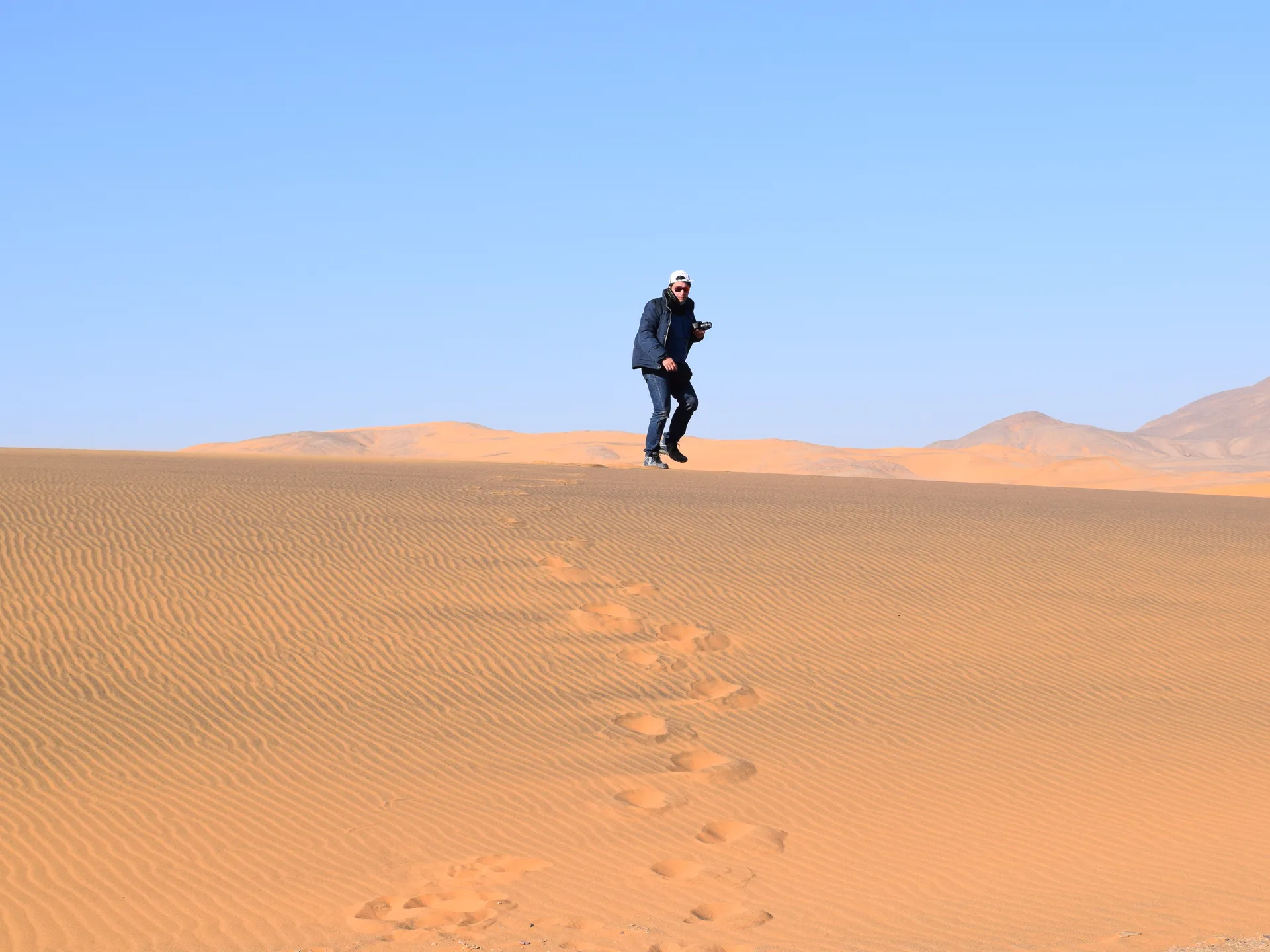
Tuareg desert camps, rock arches, prehistoric art, and star-heavy Sahara nights make Djanet feel like another planet.
Trip fit
Is Djanet right for your trip?
Best for
Can I realistically visit this?
Yes, but as a planned desert expedition. Djanet and the surrounding Saharan landscapes usually require local guides, permits or formal arrangements, camping logistics, and careful attention to current access rules.
Physical difficulty
Moderate
Planning complexity
Complex / specialist trip
Best time to go
Best: Nov-Feb. Good: Mar, Oct. Very hot / Avoid: Apr-Sep.
Perfect for
- Desert photographers, overland travellers, geology lovers, and people comfortable with camping and guided logistics
Not ideal if
- Travellers looking for independent city-style travel, nightlife, or luxury convenience
Compare with similar places
Djanet vs Danakil vs Chinguetti - desert experiences for travellers who want scale, silence, and old routes.
Location
Where this place is
Djanet is in Algeria / Africa, useful for dramatic landscapes, photography and road trips before you choose routes, bases, and timing.
Algeria / Africa
Open location on Google Maps opens in a new tabRegional orientation only. Open Google Maps for exact location.
Travel essentials
Before you book the flight
Do you need a visa for Algeria?
Start with the country visa-policy overview, then confirm current rules with an official source before booking.
Check visa requirements before booking
Start with the visa-policy overview, then confirm the current rules with an official embassy, consulate, or government source before booking non-refundable travel.
If using a visa service, compare processing times, fees, refund rules, and whether they cover your nationality.
Optional visa service comparison opens in a new tab- 1 EUR ≈ 152.2 DZD
- 1 USD ≈ 133.1 DZD
- 1 GBP ≈ 178.9 DZD
Exchange Rates Updated Daily. Last updated on 19/Jul/2026.

No McDonald’s benchmark available.
Use local café / fast-food meal prices instead.
Approximate McDonald’s Big Mac® price where available. Prices vary by city, branch, tax, delivery channel, and date checked. This site is not affiliated with or endorsed by McDonald’s.
Source: Countries with McDonald's restaurants reference
No reliable McDonald's/Big Mac benchmark found; likely no official McDonald's presence
Prices Researched at May 2026
Where to stay
8+ rated stays for Djanet
Booking.com opens with an 8+ guest-score filter for Djanet, so you can compare current hotel photos, availability, prices, and recent traveler reviews before choosing a base.
8+ guest review score on Booking.com
Why it is beautiful
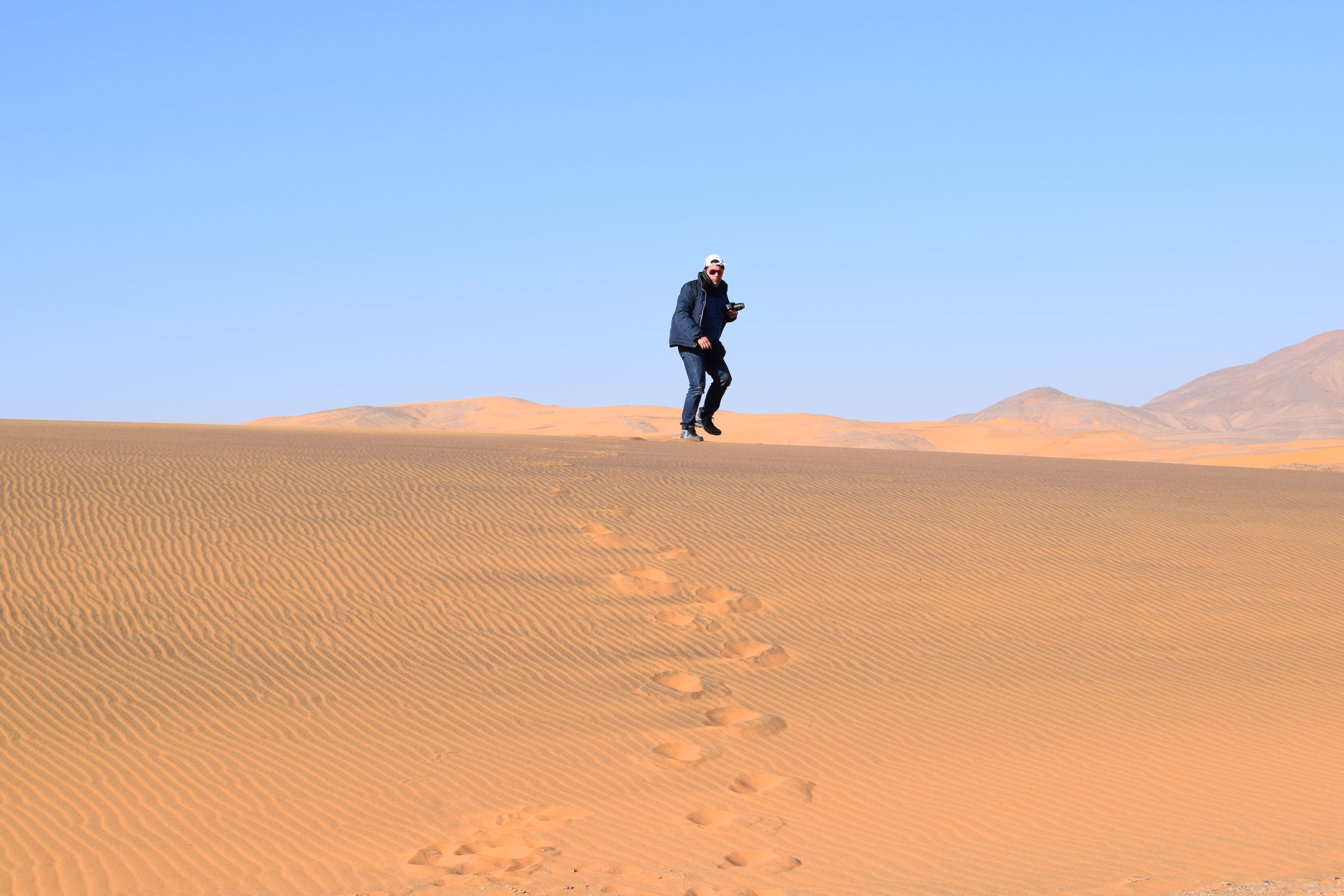
Djanet is the gateway to Tassili n’Ajjer, one of the largest concentrations of prehistoric rock art in the world — tens of thousands of engravings and paintings spread across a sandstone plateau the size of Scotland. The landscape ranges from stone forests and natural rock arches to sand seas and canyon systems, all inhabited by Tuareg communities whose connection to this desert runs back thousands of years. Desert nights here have almost no light pollution; the Milky Way is architectural. This is expedition travel rather than sightseeing — the reward is immersion in one of Earth’s great ancient landscapes.
10 practical tips to help you decide
These tips are designed to help you decide whether Djanet fits your time, budget, comfort level, and travel style.
-
For desert photographers, geology lovers, and travellers who want expedition-style immersion — not those looking for independent or easy travel. Djanet suits people who want Saharan scale, Tassili rock art, Tuareg culture, and desert camping far from infrastructure. All visits require an organised guide and logistics; independent travel in southern Algeria is not feasible without formal arrangements. Skip it if you want city-style flexibility, guaranteed comfort, or a destination you can plan without specialist support.
-
October to March only. April to September is extremely hot. Djanet sits at the edge of the central Sahara where summer temperatures regularly exceed 45°C. The cooler desert season runs October to March, with pleasant daytime temperatures of 15–30°C and cold nights. October and March are shoulder months — warmer but manageable for experienced travellers. November to February is the optimal window: reliable temperatures, clear skies, and the best conditions for multi-day plateau camping.
-
Fly Algiers to Djanet via Air Algérie — all southern travel requires a licensed local operator. Air Algérie connects Algiers (ALG) to Djanet (DJG) directly. International visitors fly into Algiers first. Algeria requires a visa for most Western nationals — the process is not trivial and typically requires a letter of invitation or operator support. All Tassili n’Ajjer visits must be arranged through a licensed operator with registered Tuareg guides and formal permits. Allow 6–8 weeks ahead for logistics and arrange your visa through your operator or an Algerian embassy.
-
Allow four to seven days minimum — a rushed visit misses the entire point. The Tassili plateau requires multi-day circuits to reach the significant rock art sites, canyons, and erg landscapes. A one- or two-day trip from Djanet town barely reaches the surface. A four-day circuit covers the main Tassili highlights; seven days allows Erg Admer, Tikobaouine, and more remote art areas. The value of Djanet is cumulative: changing desert light, camp evenings, and deep landscape require time to absorb.
-
Desert camp accommodation throughout — no hotels in the field. Tassili circuit trips involve sleeping in Tuareg-guided desert camps: tents or sleeping under the stars on sand platforms. Djanet town has guesthouses for nights before and after. Food, camping equipment, and water are included in well-run packages. Cold desert nights require warm layers — temperatures can drop near freezing even after hot days. Pack a warm sleeping bag and layers regardless of the forecast.
-
Costs are dominated by the tour package — Djanet itself is inexpensive. A well-organised 5–7 day Tassili circuit with transport, guide, camping, and meals typically runs €150–300 per person per day depending on group size and operator. Smaller groups pay more per head. The tour cost covers most expenditure; personal budget beyond that is minimal. The main additional expense is the international flight to Algiers and the domestic connection to Djanet.
-
Check your government’s current Algeria advisory carefully — southeastern Algeria has specific risk areas. The UK FCDO advises against all travel within 30 km of Algeria’s borders with Mali, Niger, and Libya, and Djanet sits in the far southeast near these borders. The US State Dept rates Algeria as Level 2: Exercise Increased Caution, with Level 4 zones near border areas. Confirm the current advisory for the specific Tassili access areas with your operator before booking, and choose an operator with current local knowledge and security protocols.
-
The prehistoric rock art is the cultural centrepiece — Tassili holds one of the world’s great collections. Tassili n’Ajjer’s UNESCO listing rests primarily on an estimated 15,000+ engravings and paintings spanning 12,000 years — images of elephants, giraffes, and hippos from when the Sahara was green, through pastoral and later Tuareg periods. Major art areas include Iheren, Jabbaren, and Sefar. Visiting without a guide risks damaging irreplaceable engravings; all access to art sites must be with a registered guide who understands the conservation protocols.
-
Desert nights at Djanet have some of the darkest skies accessible to international travellers. The Tassili plateau has essentially no light pollution, and clear desert nights reveal the full Milky Way with a density of stars most urban travellers have never experienced. Plan at least one night sleeping away from camp fires on the open plateau. This is a secondary benefit of the camping-based circuit, but for many visitors it becomes one of the defining memories.
-
Combine Djanet with Algiers and the northern tell if your visa and time allow. Algeria has more than desert. Algiers has a magnificent Ottoman Casbah (UNESCO World Heritage), colonial boulevards, and a Mediterranean seafront. The Roman ruins at Timgad and Djémila in the north rank among the best-preserved in the world. If you are making the effort of obtaining an Algerian visa and flying to Djanet, a few days in the north before or after turns a single expedition into a fuller picture of one of Africa’s most undervisited countries.