Europe / Italy
Florence
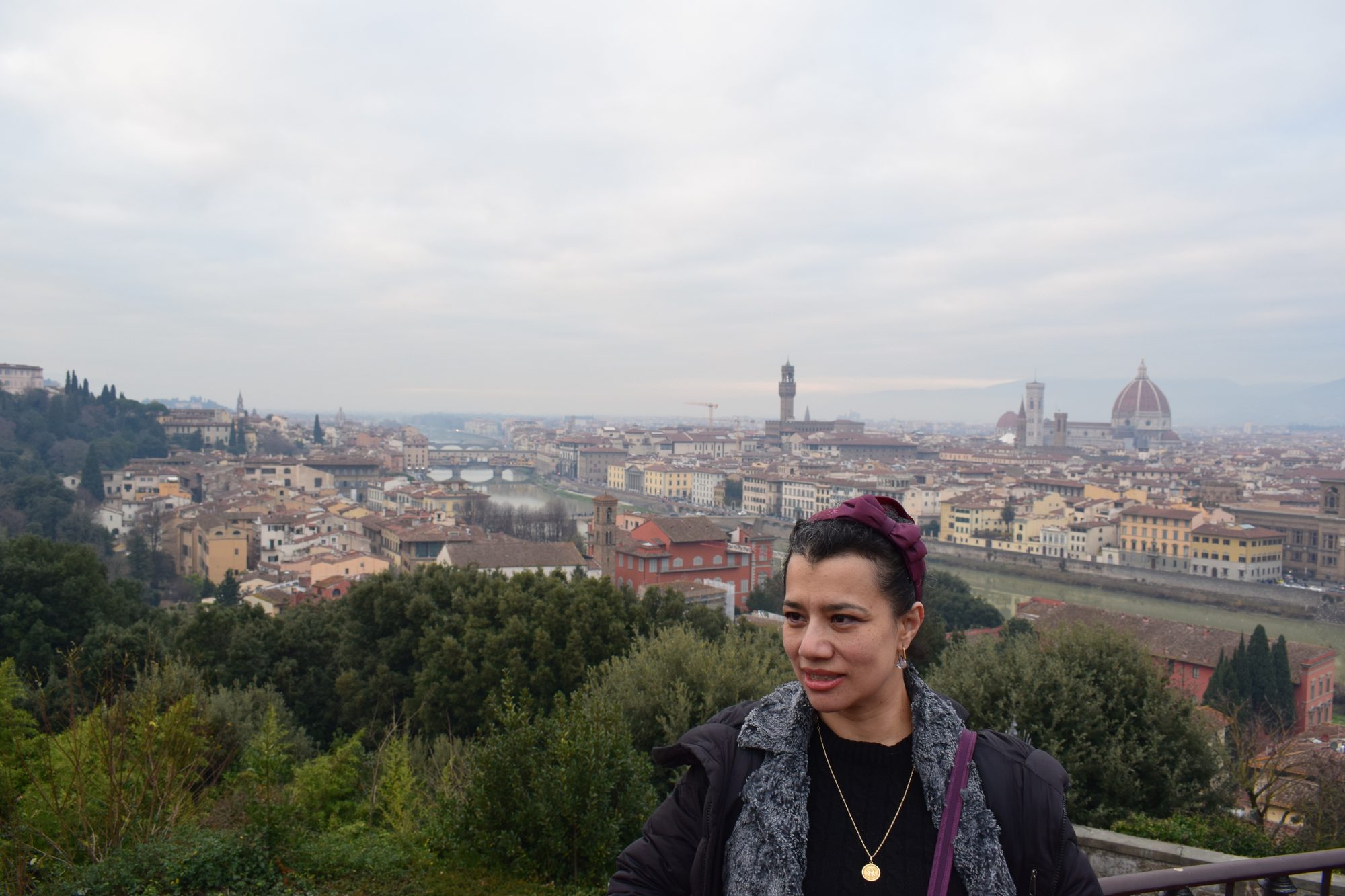
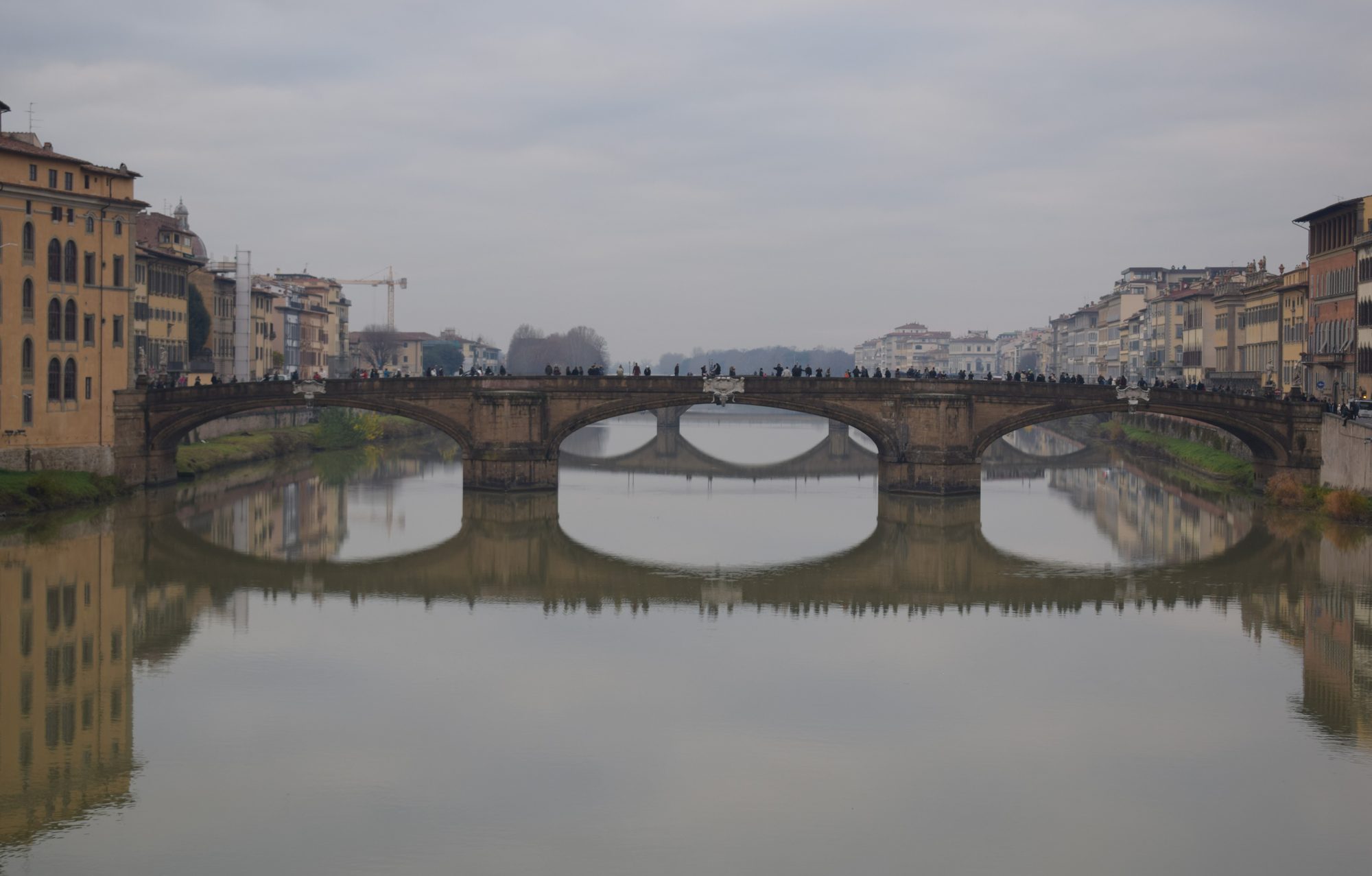
Renaissance domes, river bridges, marble churches, and honeyed evening streets make Florence feel like art turned into a city.
Trip fit
Is Florence right for your trip?
Best for
Can I realistically visit this?
Yes. Florence is easy to visit, but book key museums and accommodation early, especially in busy seasons. The main challenge is managing crowds while leaving time to wander.
Physical difficulty
Easy
Planning complexity
Easy independent trip
Best time to go
Best: Apr-Jun, Sep-Oct. Good: Mar, Nov. Crowded / hot: Jul-Aug. Possible: Dec-Feb.
Perfect for
- Art lovers, architecture travellers, first-time Italy visitors, food-focused trips, and slow walkers
Not ideal if
- Visitors who dislike museums, crowds, and compact historic cities
Compare with similar places
Florence vs Rome vs Venice - Italy's classic art-and-architecture triangle.
Location
Where this place is
Florence is in Italy / Europe, useful for culture and architecture, photography and easy luxury trips before you choose routes, bases, and timing.
Italy / Europe
Open location on Google Maps opens in a new tabRegional orientation only. Open Google Maps for exact location.
Travel essentials
Before you book the flight
Do you need a visa for Italy?
Start with the country visa-policy overview, then confirm current rules with an official source before booking.
Check visa requirements before booking
Start with the visa-policy overview, then confirm the current rules with an official embassy, consulate, or government source before booking non-refundable travel.
If using a visa service, compare processing times, fees, refund rules, and whether they cover your nationality.
Optional visa service comparison opens in a new tab- 1 USD ≈ 0.8745 EUR
- 1 GBP ≈ 1.18 EUR
Exchange Rates Updated Daily. Last updated on 19/Jul/2026.

Big Mac® benchmark: approx. 6.08 EUR
Checked: January 2026. Prices vary by city and branch.
Approximate McDonald’s Big Mac® price where available. Prices vary by city, branch, tax, delivery channel, and date checked. This site is not affiliated with or endorsed by McDonald’s.
Source: The Economist Big Mac Index country-level data
Euro area proxy from The Economist Big Mac Index, not destination-specific
Prices Researched at May 2026
Where to stay
8+ rated stays for Florence
Booking.com opens with an 8+ guest-score filter for Florence, so you can compare current hotel photos, availability, prices, and recent traveler reviews before choosing a base.
8+ guest review score on Booking.com
Why it is beautiful
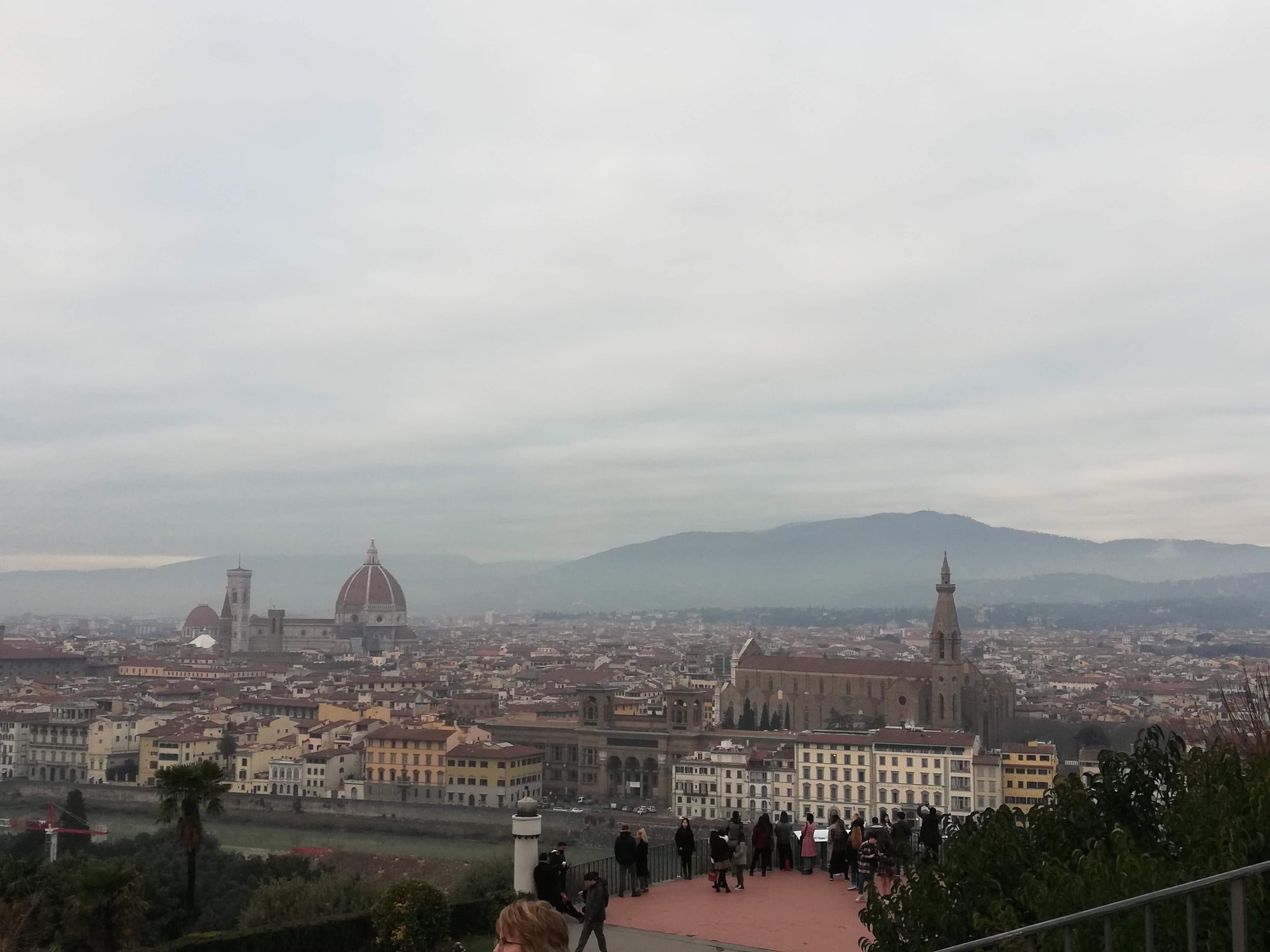
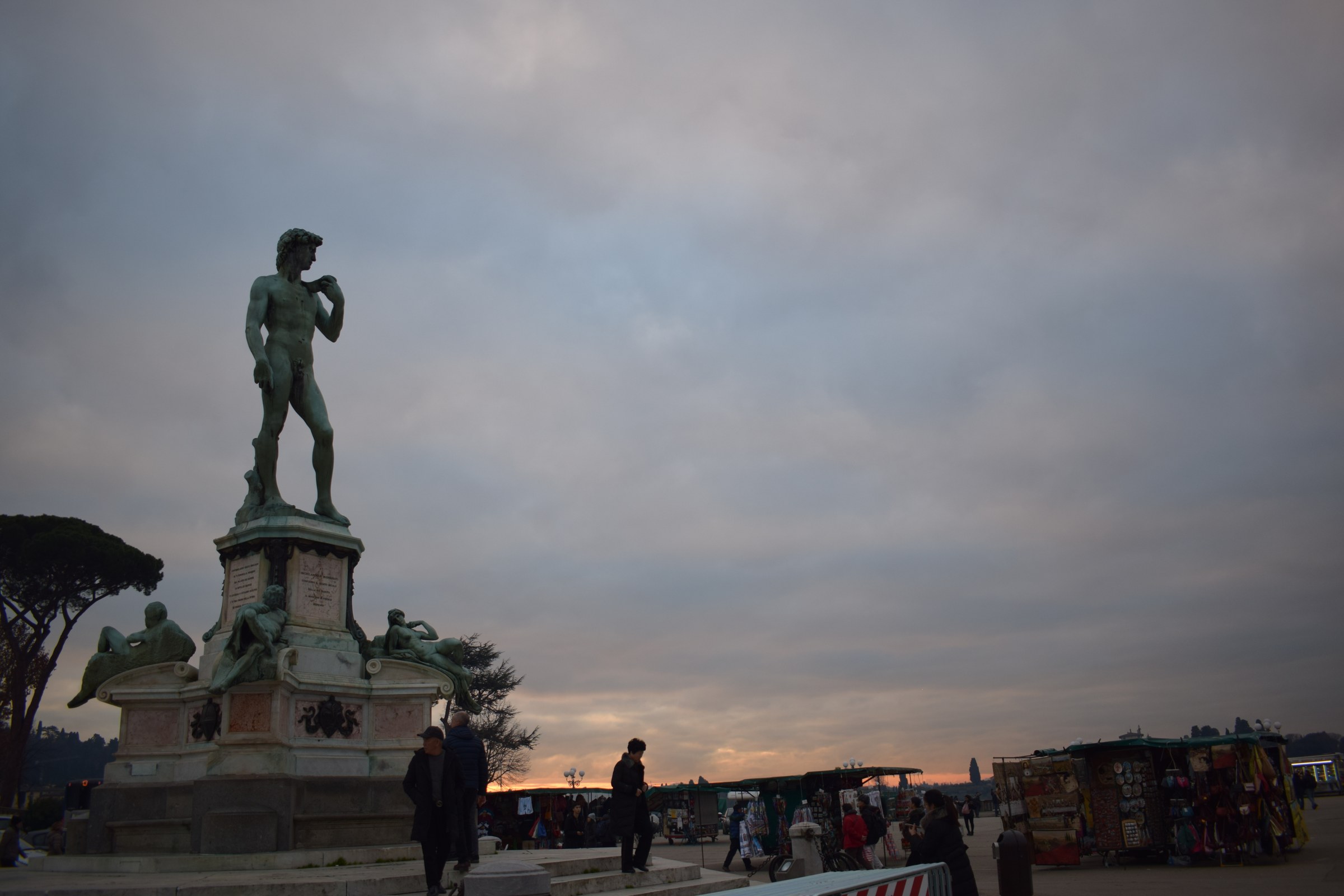
Florence is the world’s highest concentration of Renaissance art and architecture: Brunelleschi’s dome visible from every hill, Michelangelo’s David in the Accademia, Botticelli’s Primavera in the Uffizi, all within a compact medieval street grid that Dante walked. The stone city along the Arno has a density of beauty that builds rather than overwhelms — streets lined with artisan workshops, palaces, and churches without the theme-park quality of Venice. Evening light on the Arno from the Ponte Vecchio and the view from San Miniato al Monte at dusk give Florence a warmth that its art-history reputation sometimes obscures. It is one of the easier great cities to visit and one of the few where four days is genuinely not enough.
10 practical tips to help you decide
These tips are designed to help you decide whether Florence fits your time, budget, comfort level, and travel style.
-
For art and architecture lovers, first-time Italy visitors, and slow city walkers — not those who dislike museums or peak-season crowds. Florence is the right choice for travellers who want Renaissance painting, sculpture, architecture, and Italian urban life in concentrated form. Skip it only if you actively dislike museums and indoor cultural sites, or if the combination of crowds in high season sounds exhausting — both are real at peak times. Otherwise Florence is one of the world’s most rewarding city destinations.
-
April to June and September to October for the best conditions. July and August are crowded and hot. Spring and autumn bring manageable temperatures, pleasant evenings, and more accessible queues. July and August are peak: hot (35°C+), extremely crowded, and expensive for accommodation. December to February is quiet and cold — some attractions have reduced hours but museums are calmer, prices are lower, and the stone streets have a different, less-hurried appeal.
-
Train to Florence from Rome, Bologna, or Milan — no car needed in the city. Florence’s Santa Maria Novella station (SMN) is on the main Frecciarossa high-speed line: 1.5 hours from Rome, 35 minutes from Bologna, 1.75 hours from Milan. Trains are faster, cheaper, and easier than flying for most Italian connections. Once in Florence, the entire historic centre is walkable; a rental car is an obstacle rather than a benefit, as the ZTL restricted traffic zone covers the centro storico and unauthorised entry fines are automatic. EU, UK, and US passport holders do not need a visa; US nationals get 90 days under Schengen.
-
Three to four days for the main museums and streets; five gives room to slow down. Three days covers the Uffizi, Accademia, Brunelleschi’s Dome, and the core streets. A fourth day opens Oltrarno, Piazzale Michelangelo, San Miniato al Monte, and the artisan workshops without rushing. A fifth day is for a Tuscany day trip — Siena (1.5 hours by bus), San Gimignano (1.5 hours), or Chianti wine country.
-
Stay north of the Arno for most attractions; Oltrarno for a more neighbourhood feel. The centro storico north of the river puts you closest to the Uffizi, Accademia, and Duomo. Oltrarno on the south bank is quieter, slightly cheaper, and has the best artisan leather workshops and craft studios. Both sides are walkable across the Ponte Vecchio. Streets around San Lorenzo and Santa Croce are better value than the immediate Piazza della Repubblica tourist core.
-
Florence costs more than Rome but less than Venice — book ahead to control accommodation costs. Mid-range hotels run €120–250 per night in season; Oltrarno and Santa Croce areas offer slightly better value. Restaurants vary hugely: tourist traps on the main piazzas are expensive for poor quality; trattorias one block back are cheaper and considerably better. Budget roughly €120–200 per person per day including accommodation, food, and museum tickets. An overnight tourist tax of approximately €4–6 per person per night is added to accommodation bills.
-
No visa required for most Western passports — Italy is a Schengen member. EU and UK passport holders enter freely. US, Canadian, and Australian nationals get 90 days visa-free under Schengen. The UK FCDO describes Italy as safe with standard urban precautions around pickpocketing in crowded tourist areas (particularly the Uffizi queue, Piazza della Repubblica, and train stations). The 90-day Schengen rule applies across all member states, not just Italy.
-
Book the Uffizi, Accademia, and Brunelleschi’s Dome months in advance in peak season. The Uffizi and Accademia (David) both sell out weeks ahead in summer — book timed-entry tickets through their official websites, not third-party resellers. Brunelleschi’s Dome requires separate pre-booking; the climb to the lantern gives the best view of the city’s roofscape. Booking all three before departure is the single most important planning step for a Florence trip.
-
San Miniato al Monte at dusk is the best free view in Florence. San Miniato, a Romanesque church on the hill above Piazzale Michelangelo, gives the classic elevated view of the Arno, Duomo, and terracotta city spreading into the Tuscan hills. Arrive 30 minutes before sunset, stay for the monks’ evening compline chant, and watch the city light up below. It is free, usually quieter than the crowded Piazzale Michelangelo terrace below it, and one of Florence’s finest experiences.
-
Florence is the ideal anchor for a wider Tuscany trip — Siena, San Gimignano, and Chianti are all day-trip distance. Siena (70 km south) is the most rewarding day trip: a medieval hill city with the Piazza del Campo and a striped-marble Duomo. San Gimignano (54 km south-west) is smaller and more touristic but has genuinely preserved medieval towers. The Chianti Classico wine region between Florence and Siena is best explored by car for a half-day of vineyard and village stops. A week in Florence as a Tuscany base is one of Italy’s most satisfying itinerary structures.
Gallery
More views of Florence