Europe / Luxembourg
Luxembourg
Fortress cliffs, old bridges, forested valleys, and compact European elegance make tiny Luxembourg feel far larger than its map.
Trip fit
Is Luxembourg right for your trip?
Best for
Can I realistically visit this?
Yes. Luxembourg is easy to visit, compact, safe-feeling, and well connected. It works well as a short European break or as part of a Benelux, Moselle, Ardennes, or Rhine route.
Physical difficulty
Easy to moderate because of hills and old-town walking
Planning complexity
Easy independent trip
Best time to go
Best: Apr-Jun, Sep-Oct. Good: Mar, Nov. Crowded / warm: Jul-Aug. Cold / possible: Dec-Feb.
Perfect for
- Short-break travellers, architecture lovers, families, walkers, and people who enjoy compact cities with nature nearby
Not ideal if
- Travellers looking for huge-city energy or dramatic wilderness
Compare with similar places
Luxembourg vs Budapest vs Florence - European city beauty at different scales and levels of grandeur.
Location
Where this place is
Luxembourg is in Luxembourg / Europe, useful for culture and architecture, family-friendly natural beauty and road trips before you choose routes, bases, and timing.
Luxembourg / Europe
Open location on Google Maps opens in a new tabRegional orientation only. Open Google Maps for exact location.
Travel essentials
Before you book the flight
Do you need a visa for Luxembourg?
Start with the country visa-policy overview, then confirm current rules with an official source before booking.
Check visa requirements before booking
Start with the visa-policy overview, then confirm the current rules with an official embassy, consulate, or government source before booking non-refundable travel.
If using a visa service, compare processing times, fees, refund rules, and whether they cover your nationality.
Optional visa service comparison opens in a new tab- 1 USD ≈ 0.8745 EUR
- 1 GBP ≈ 1.18 EUR
Exchange Rates Updated Daily. Last updated on 19/Jul/2026.

Big Mac® benchmark: approx. 6.08 EUR
Checked: January 2026. Prices vary by city and branch.
Approximate McDonald’s Big Mac® price where available. Prices vary by city, branch, tax, delivery channel, and date checked. This site is not affiliated with or endorsed by McDonald’s.
Source: The Economist Big Mac Index country-level data
Euro area proxy from The Economist Big Mac Index, not destination-specific
Prices Researched at May 2026
Where to stay
8+ rated stays for Luxembourg
Booking.com opens with an 8+ guest-score filter for Luxembourg, so you can compare current hotel photos, availability, prices, and recent traveler reviews before choosing a base.
8+ guest review score on Booking.com
Why it is beautiful
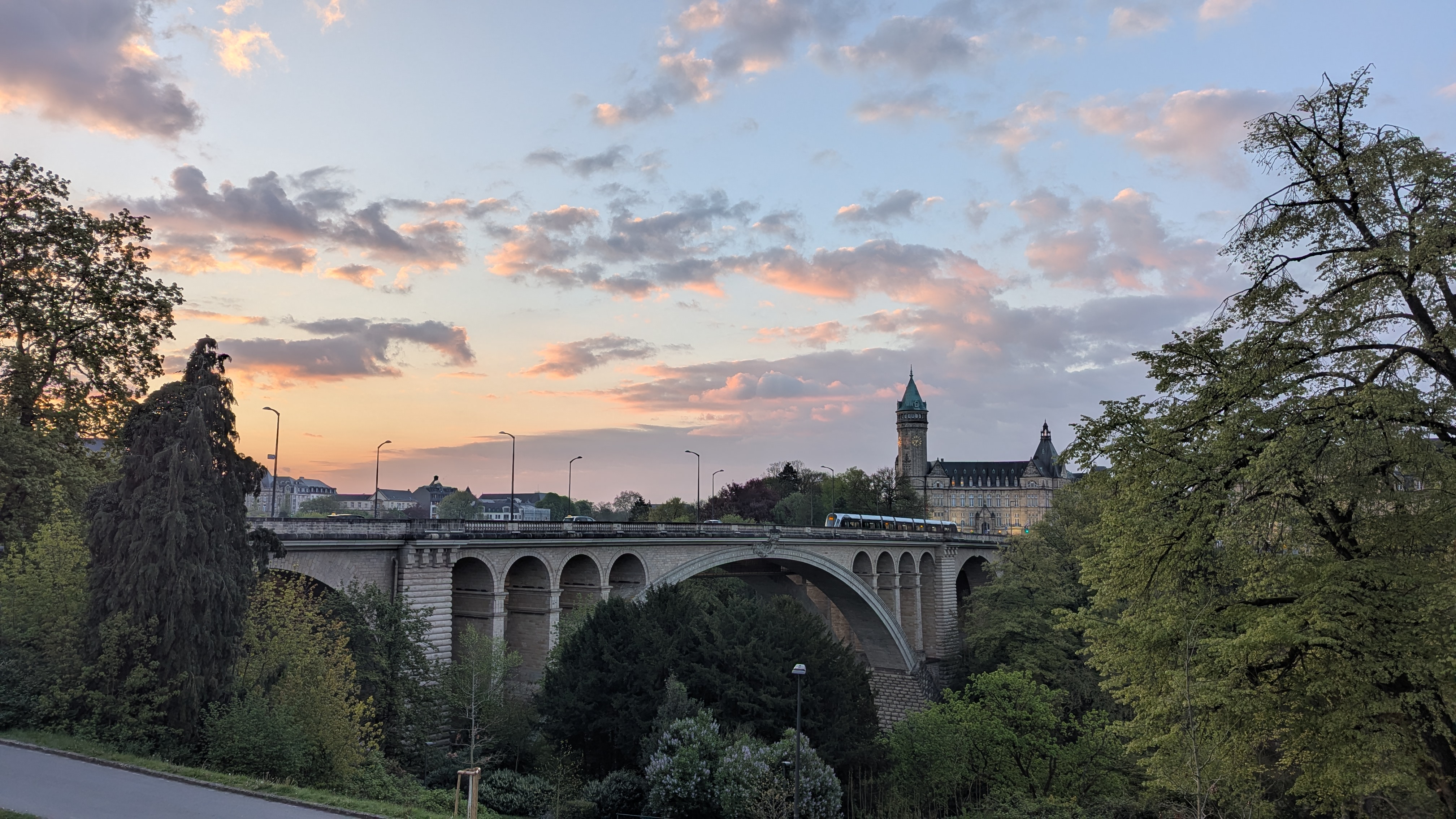
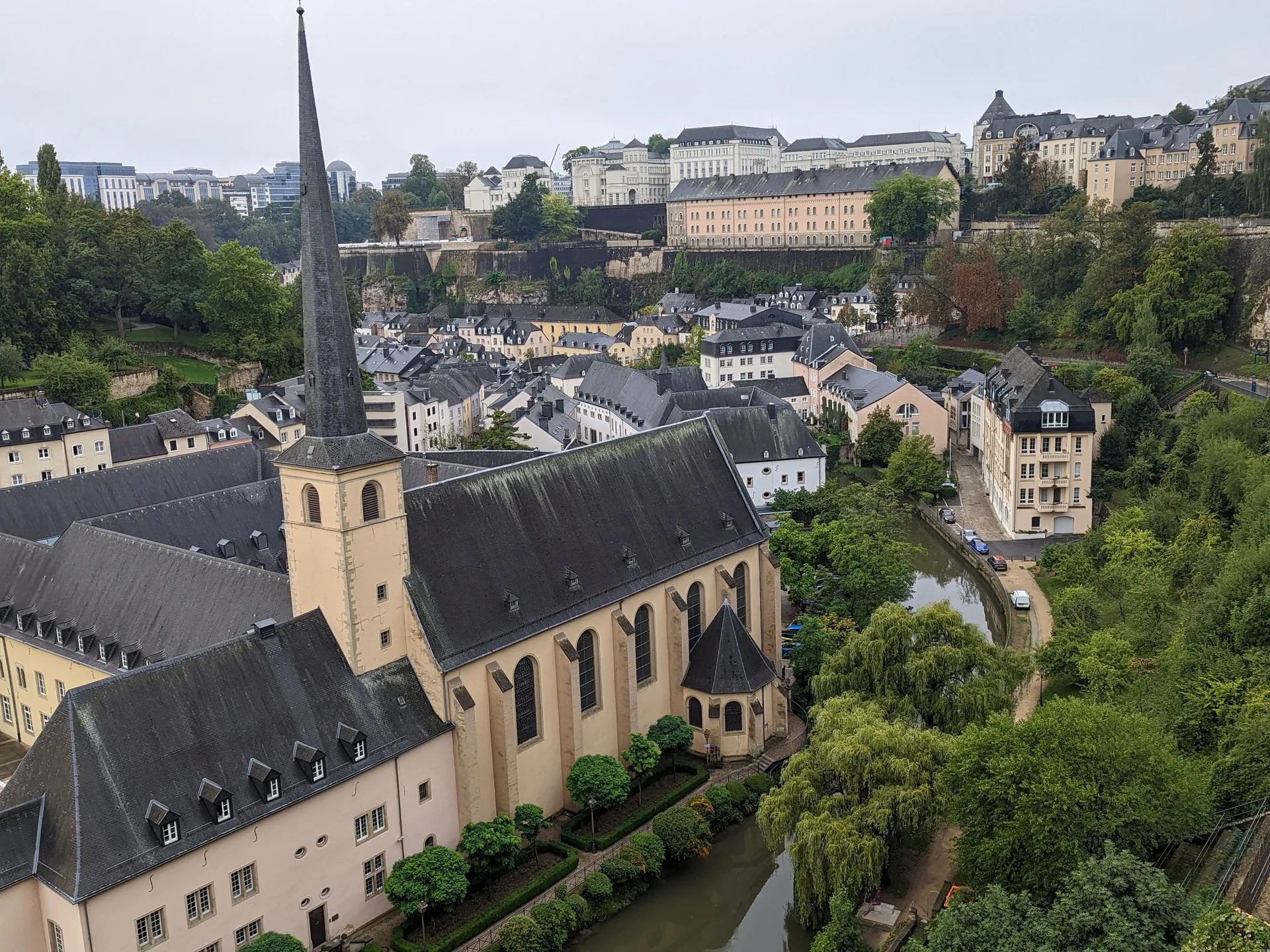
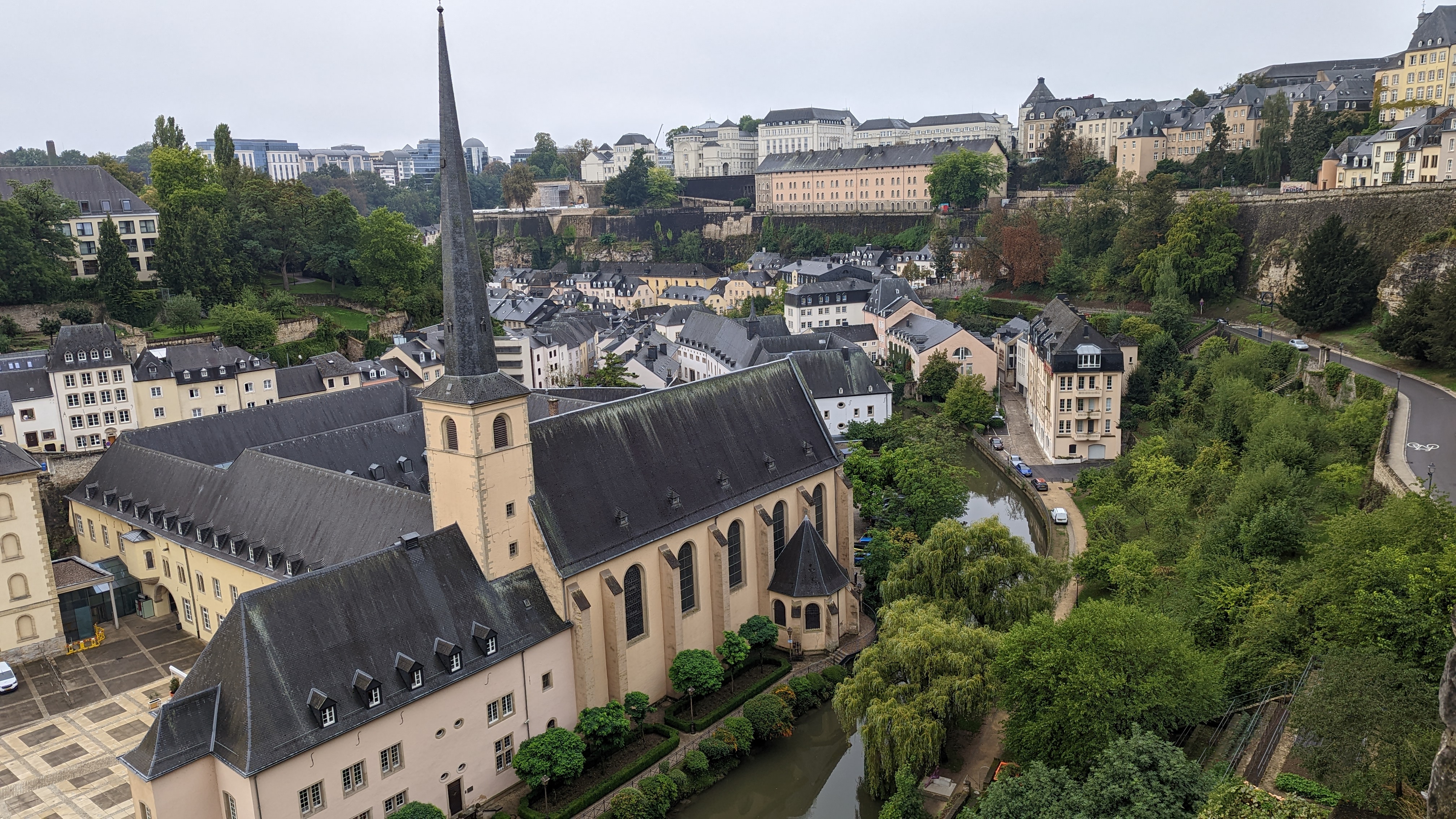
Luxembourg City sits on rocky promontories above the Alzette and Pétrusse valleys, its UNESCO World Heritage old town held up by fortress walls and medieval casemates that tunnel for kilometres beneath the rock. The Grund district in the valley below looks up at the cliffs and bridges from the riverside, giving the city a vertical drama that its modest size doesn’t suggest. Beyond the capital, the Mullerthal region in the east has sandstone gorges and beech forest trails; Vianden Castle on the German border is one of the finest medieval fortresses in the Benelux. Luxembourg is tiny, but the concentration of quality within it is unusual.
10 practical tips to help you decide
These tips are designed to help you decide whether Luxembourg fits your time, budget, comfort level, and travel style.
-
For short-break travellers, architecture lovers, and walkers who want a compact European destination — not those wanting dramatic wilderness or big-city energy. Luxembourg suits visitors who want a high-quality two to four day European break: fortress ramparts, forested valleys, excellent food, and easy rail connections to surrounding countries. Skip it if you want dramatic wilderness, a large city’s sense of scale, or a budget-friendly destination — Luxembourg is polished, compact, and expensive.
-
April to June and September to October for the best conditions. Spring and autumn give the most pleasant temperatures for old-town walking and valley hikes. May and June offer green valleys, manageable crowds, and long evenings. October adds autumn colour in the Mullerthal’s beech forests — one of the region’s most distinctive seasonal experiences. July and August are warm and the most visited. December brings festive markets in the old town.
-
Train to Luxembourg from Brussels, Paris, or Frankfurt — public transport within Luxembourg is entirely free. Luxembourg is well-connected by rail: 3 hours from Brussels, 2 hours from Paris (TGV), 3.5 hours from Frankfurt. Luxembourg Airport also receives direct European flights. All public transport within the country — trains, buses, trams — has been free since 2020, which makes moving between the city, Mullerthal, and Vianden by bus or train simple and cost-free. No visa is needed for EU, UK, and most Western visitors; Luxembourg is a Schengen member.
-
Two to three days for Luxembourg City; four to five to include Mullerthal and Vianden. Two days covers the Bock Casemates, the Grund riverside district, the Adolphe Bridge, the Grand Ducal Palace, and the old town ramparts. Three days adds a Mullerthal day trip by free bus. A fourth day is ideal for Vianden Castle in the north. Five days includes the Moselle wine valley in the east.
-
Stay in Luxembourg City — it is the only practical base for the whole country. The old town (Ville Haute) is the most atmospheric area to stay; Kirchberg and Gare districts offer slightly more affordable hotels with easy tram connections. Day trips to Vianden, the Mullerthal, and the Moselle all run comfortably from the capital. Book ahead for April to October — the city has limited accommodation relative to demand.
-
Luxembourg is expensive — one of the priciest destinations in Europe per day. Hotels run €120–280 per night for mid-range properties. Restaurants are substantially more expensive than in Paris or Brussels for comparable quality. The free public transport offsets some costs. Budget roughly €160–250 per person per day for accommodation and meals. Luxembourg works better as a 2–3 night stay than a rushed overnight, but if budget is the primary concern, it is worth treating as a higher-spend destination accordingly.
-
No visa required for most Western visitors — Luxembourg is a Schengen member. EU and UK passport holders travel freely. US, Canadian, and Australian nationals get 90 days visa-free under Schengen. The UK FCDO describes Luxembourg as very safe with no significant security concerns. The 90-day Schengen limit applies across all member countries, not just Luxembourg.
-
The Bock Casemates are the essential underground experience — go early or book ahead. The Bock Casemates are 23 km of medieval and later tunnels cut into the fortress rock beneath the city, used as shelters and military works over centuries. They give the best sense of Luxembourg City’s extraordinary defensive history. Tickets are at the entrance; they can sell out in summer. The Casemates combined with the clifftop ramparts walk give the city its distinctive vertical character.
-
The Mullerthal is Luxembourg’s most distinctive natural landscape — easy by free bus from the city. The Mullerthal region in the east (“Little Switzerland of Luxembourg”) has sandstone gorges, mossy boulders, and beech forest trails that look unlike anywhere else in the country. Free regional buses run from Luxembourg City to the Echternach trailheads. The Mullerthal Trail offers sections from 2 km to full-day hikes. Combine the trail with Beaufort Castle ruins and the town of Echternach itself.
-
Vianden Castle is the best single day trip — one of the Benelux’s finest medieval fortresses. Vianden Castle overlooks a steep gorge on the Our river at the German border, 1.5 hours by public transport from Luxembourg City (free bus to Diekirch, then local service to Vianden). The Romanesque and Gothic castle has been extensively restored and is worth visiting even in winter. Victor Hugo lived in Vianden during exile — his house is now a museum in the town.
Gallery
More views of Luxembourg