Europe / Malta
Malta
Honey-stone cities, blue coves, ancient temples, and sea walls stack Mediterranean history into one bright island chain.
Trip fit
Is Malta right for your trip?
Best for
Can I realistically visit this?
Yes. Malta is compact and accessible, but it rewards planning around heat, traffic, ferry links, historic towns, swimming spots, and which island atmosphere you want.
Physical difficulty
Easy to moderate
Planning complexity
Easy independent trip
Best time to go
Best: Apr-Jun, Sep-Oct. Good: Mar, Nov. Very hot / crowded: Jul-Aug. Possible: Dec-Feb.
Perfect for
- History lovers, architecture photographers, families, swimmers, and travellers who want culture and coast in a compact trip
Not ideal if
- Visitors wanting wild nature or empty roads in high season
Compare with similar places
Malta vs Santorini vs Luxor - strong sun, stone architecture, and history, but very different moods.
Location
Where this place is
Malta is in Malta / Europe, useful for culture and architecture, photography and family-friendly natural beauty before you choose routes, bases, and timing.
Malta / Europe
Open location on Google Maps opens in a new tabRegional orientation only. Open Google Maps for exact location.
Travel essentials
Before you book the flight
Do you need a visa for Malta?
Start with the country visa-policy overview, then confirm current rules with an official source before booking.
Check visa requirements before booking
Start with the visa-policy overview, then confirm the current rules with an official embassy, consulate, or government source before booking non-refundable travel.
If using a visa service, compare processing times, fees, refund rules, and whether they cover your nationality.
Optional visa service comparison opens in a new tab- 1 USD ≈ 0.8745 EUR
- 1 GBP ≈ 1.18 EUR
Exchange Rates Updated Daily. Last updated on 19/Jul/2026.

Big Mac® benchmark: approx. 6.08 EUR
Checked: January 2026. Prices vary by city and branch.
Approximate McDonald’s Big Mac® price where available. Prices vary by city, branch, tax, delivery channel, and date checked. This site is not affiliated with or endorsed by McDonald’s.
Source: The Economist Big Mac Index country-level data
Euro area proxy from The Economist Big Mac Index, not destination-specific
Prices Researched at May 2026
Where to stay
8+ rated stays for Malta
Booking.com opens with an 8+ guest-score filter for Malta, so you can compare current hotel photos, availability, prices, and recent traveler reviews before choosing a base.
8+ guest review score on Booking.com
Why it is beautiful
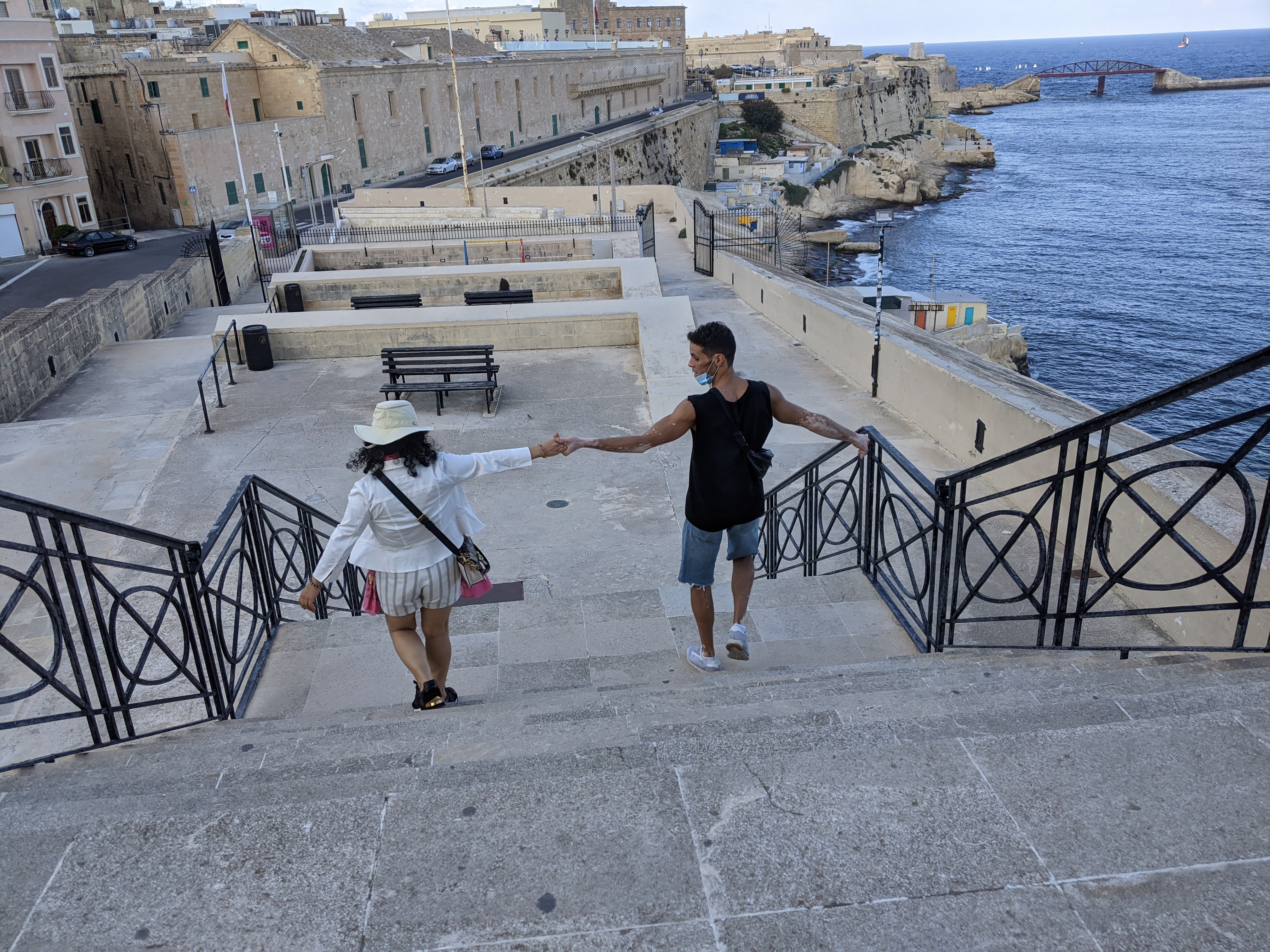
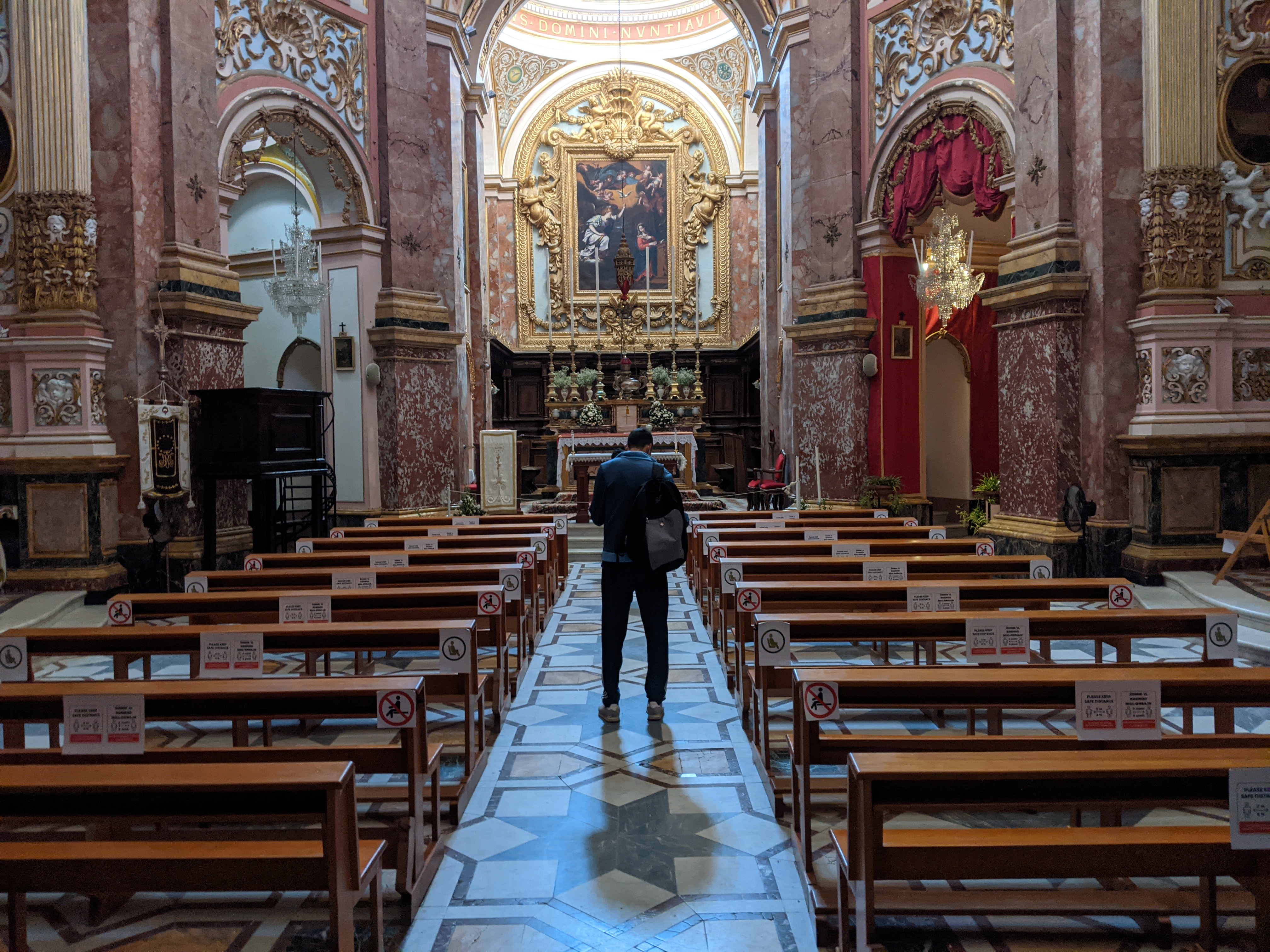
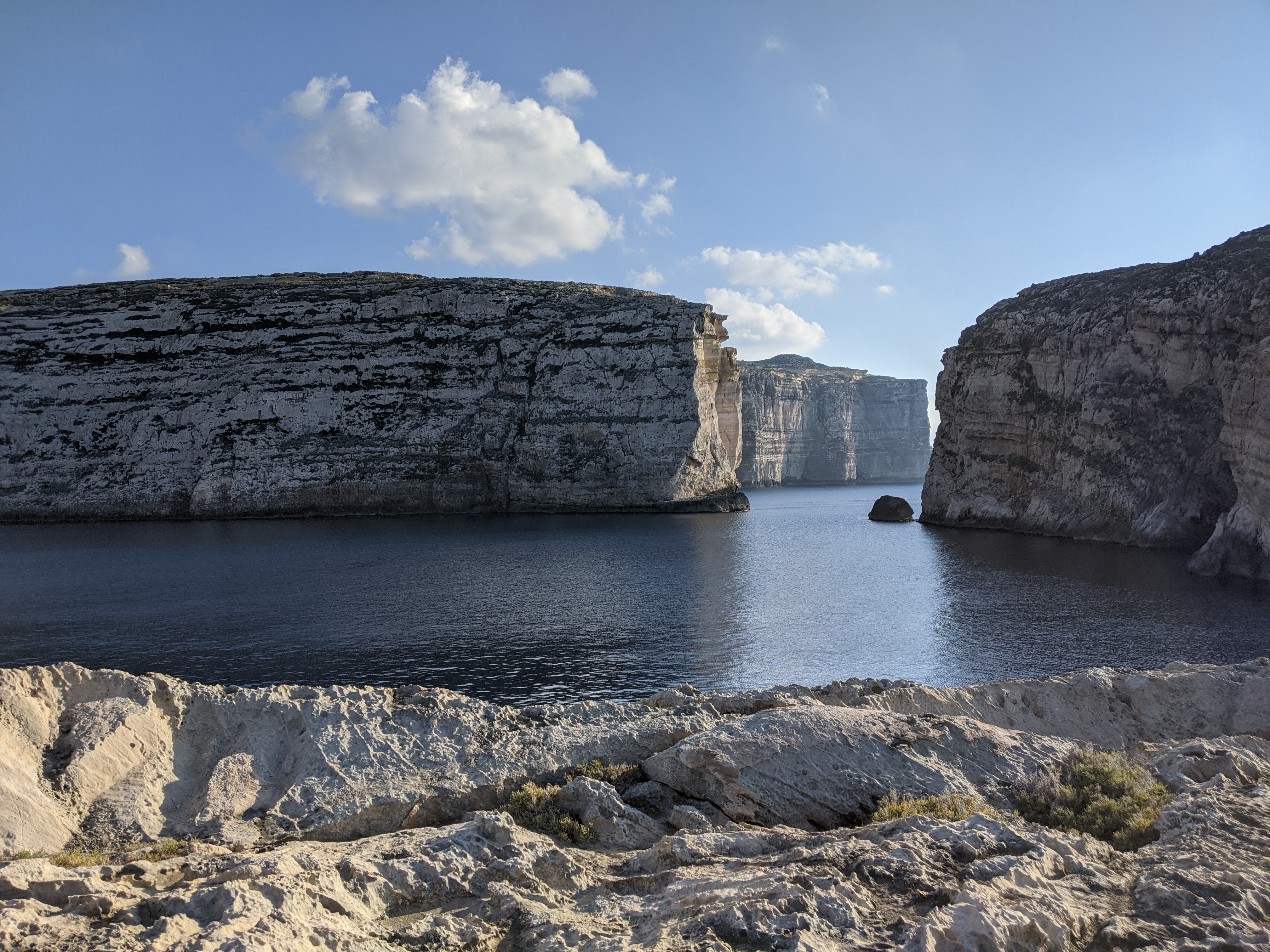
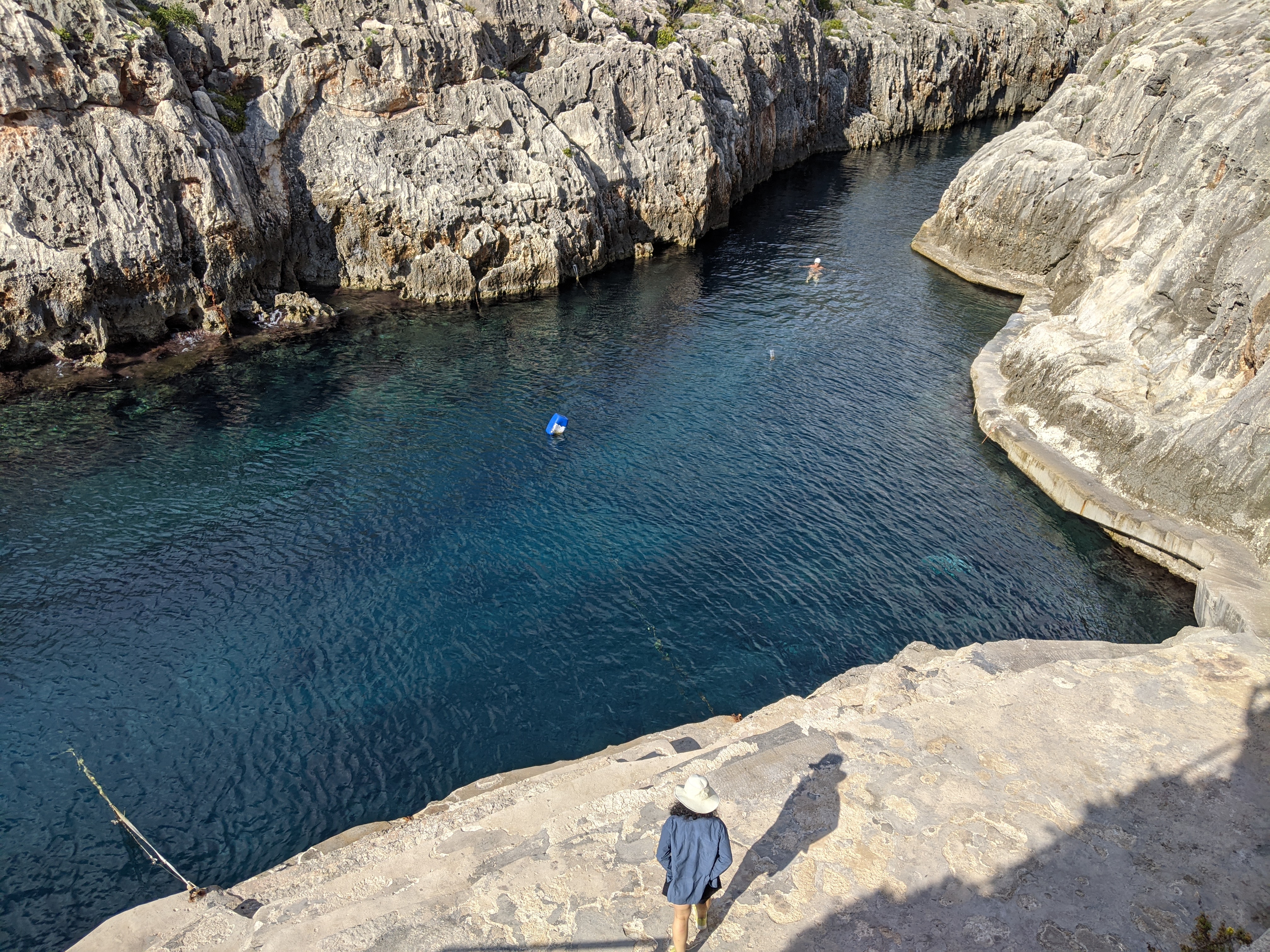
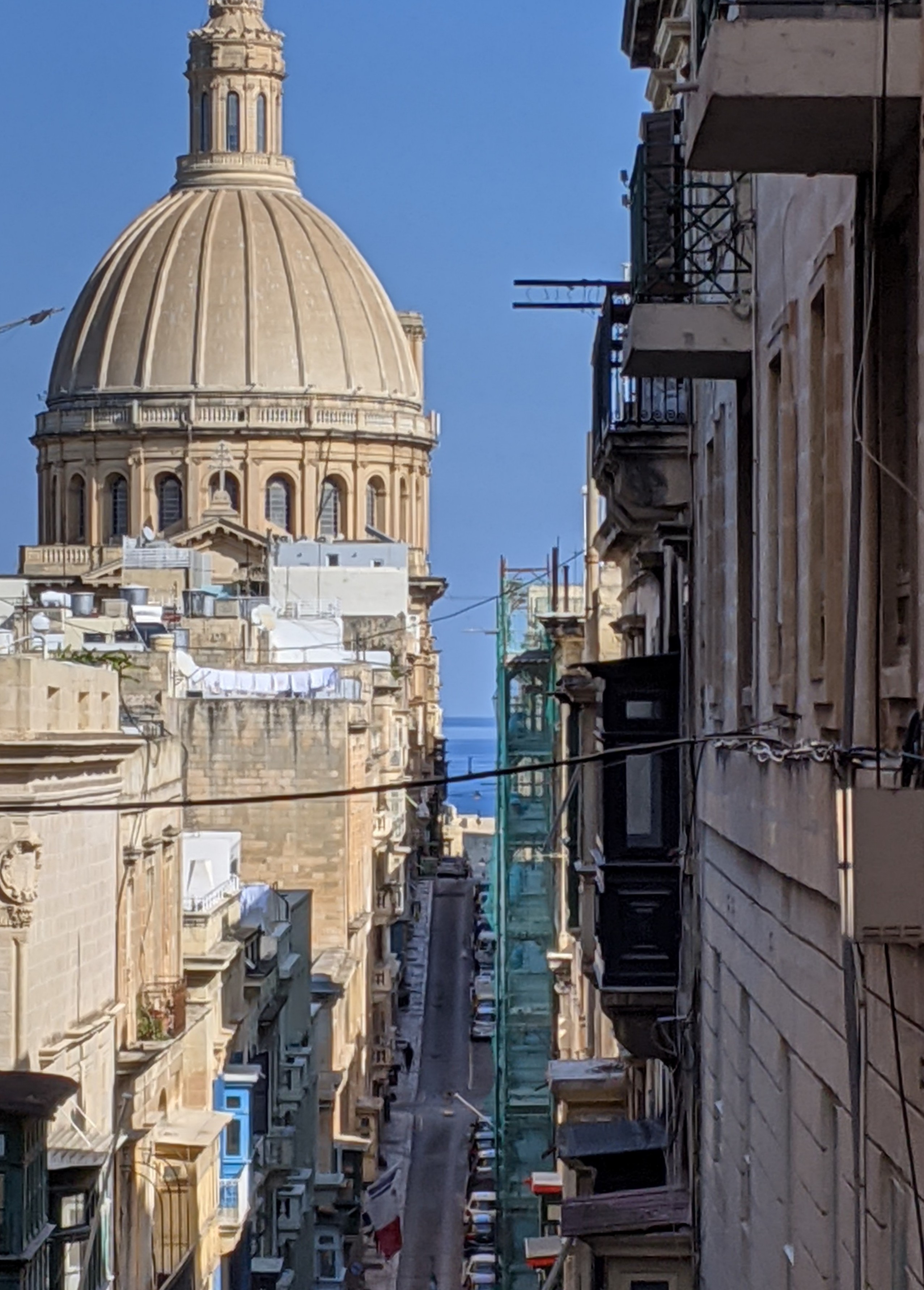
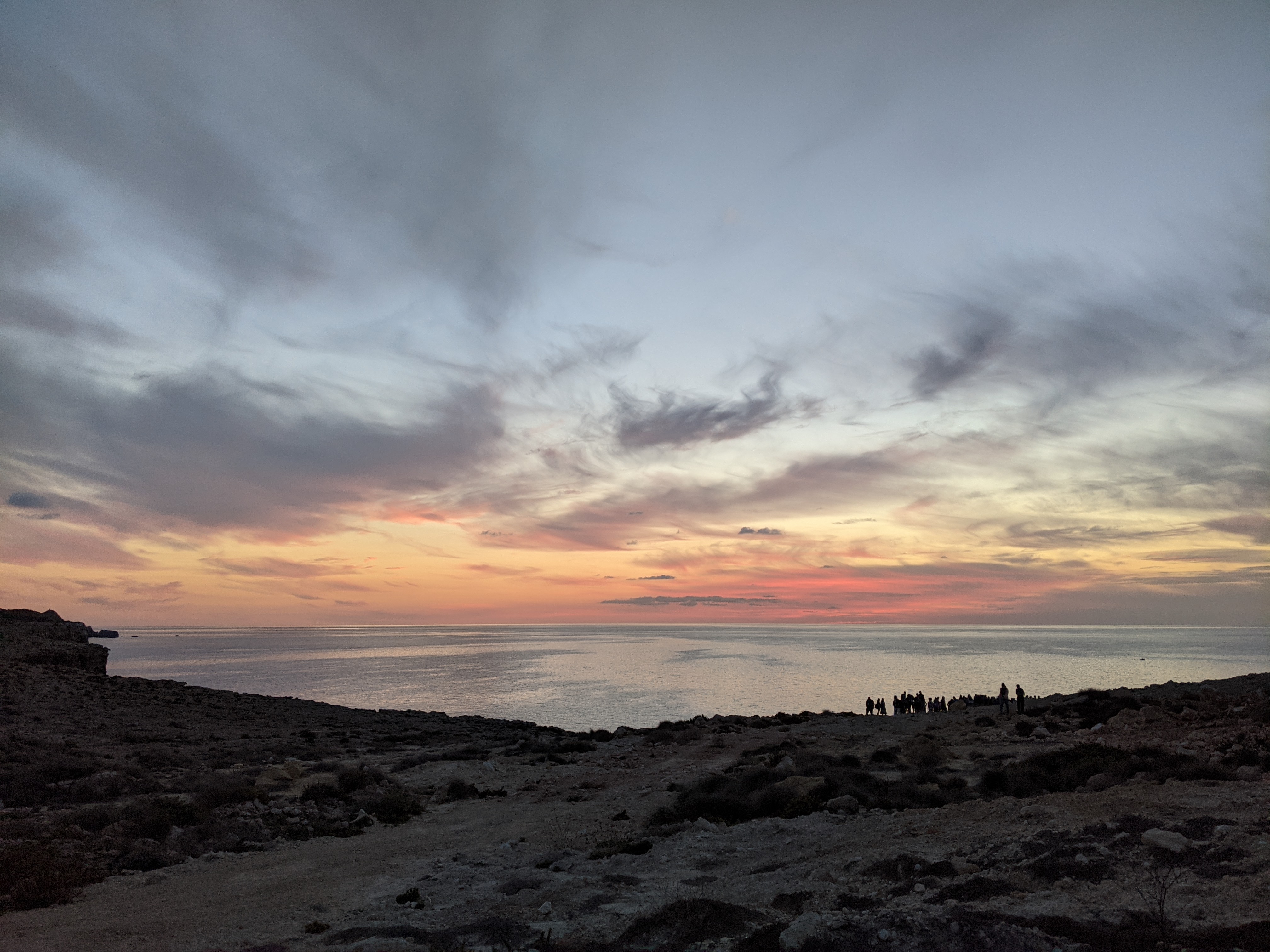
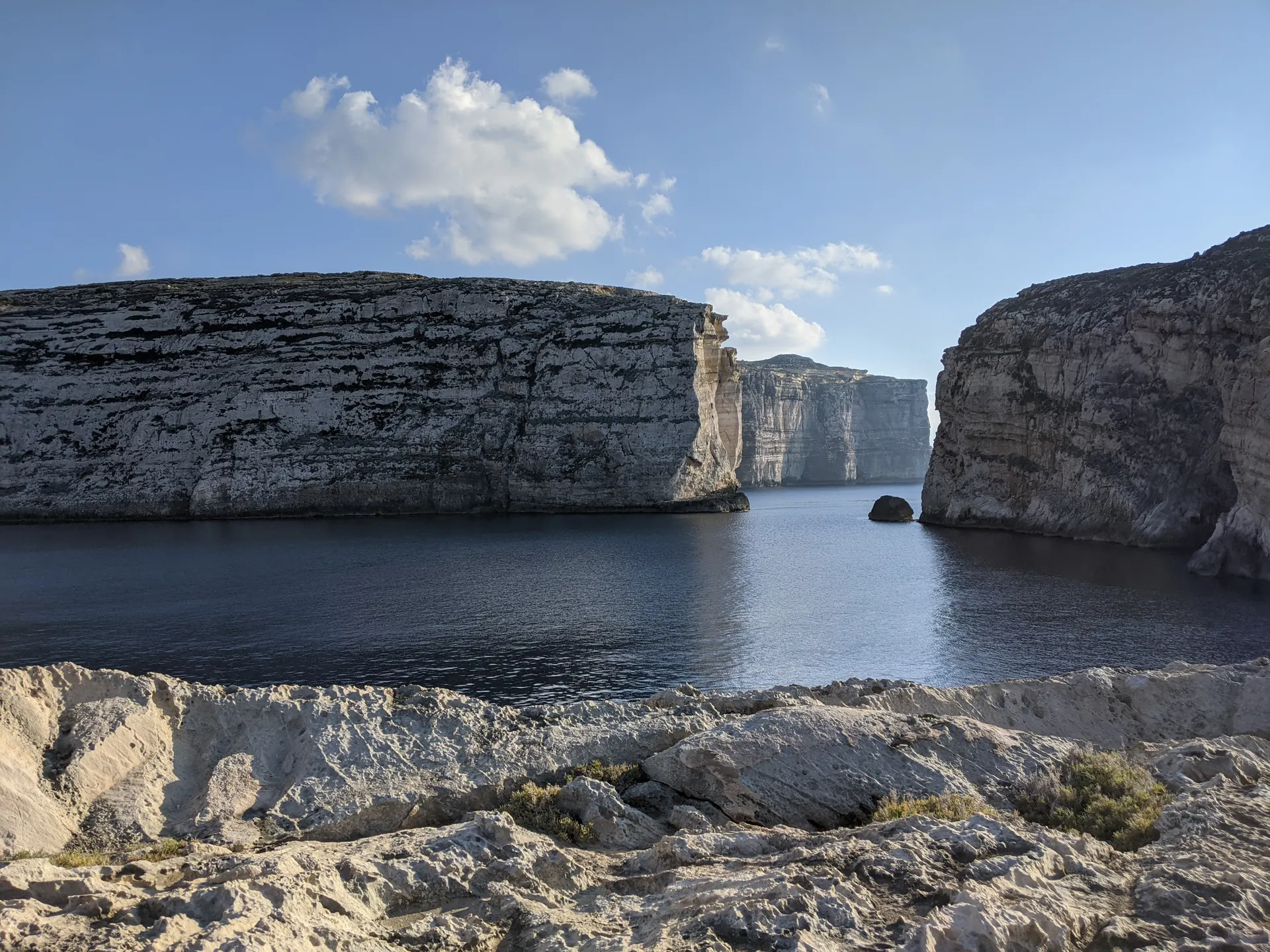
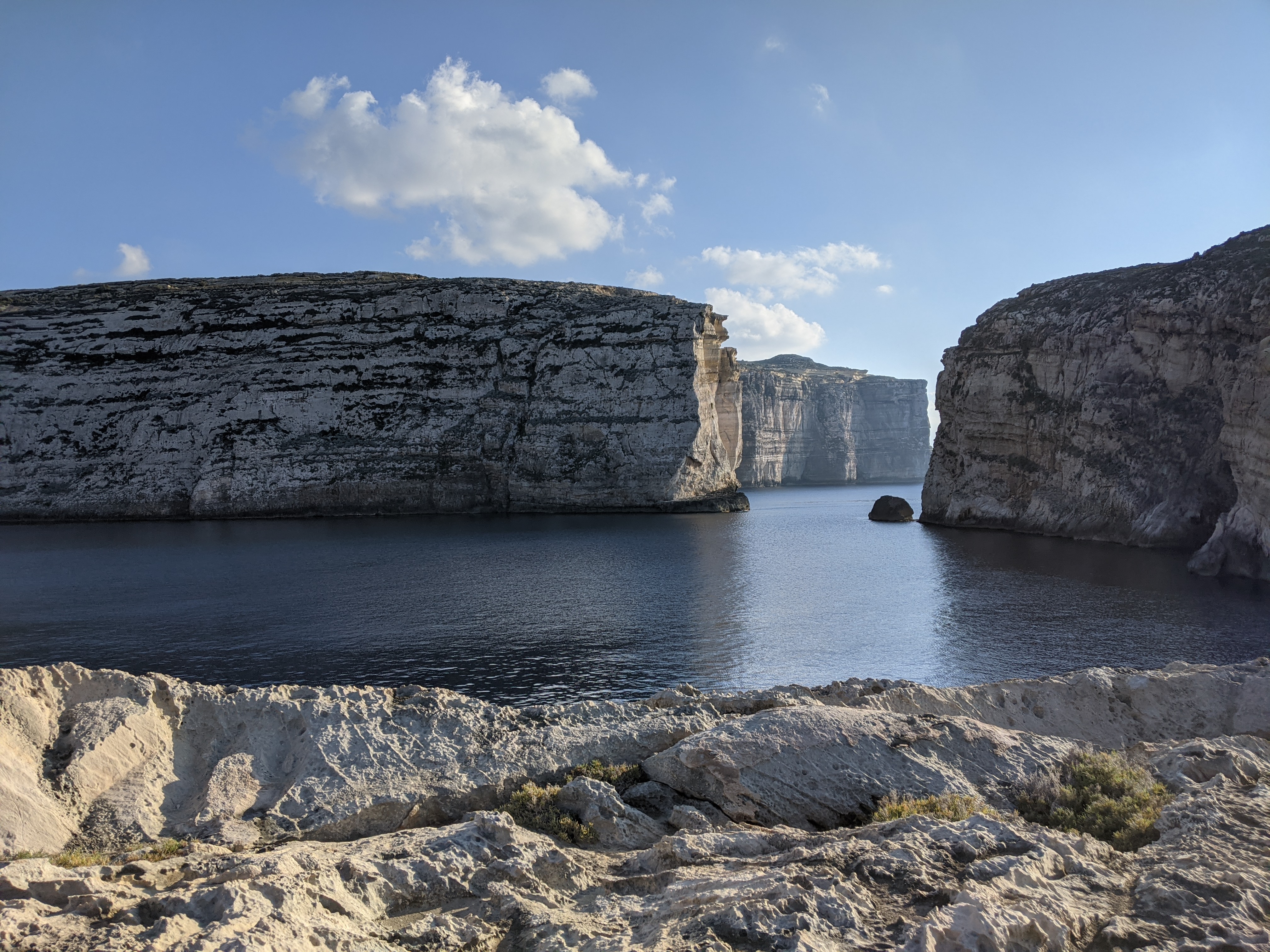
Malta’s three main islands are built from the same pale golden limestone — the same stone used in fortified city walls, Baroque churches, sea-front auberges, and 5,000-year-old temple complexes that predate Stonehenge. Valletta, the European Capital of Culture in 2018, packs a UNESCO-listed Baroque capital into one square kilometre of bastioned streets above Grand Harbour. Gozo to the north is quieter and more agricultural, with the Azure Window gone but the Inland Sea and Ggantija temples still standing. The combination of deep-blue sea, warm winter light, and six thousand years of layered history in a place you can cross in under an hour is what makes Malta addictive for return visitors.
10 practical tips to help you decide
These tips are designed to help you decide whether Malta fits your time, budget, comfort level, and travel style.
-
For history lovers, architecture photographers, and swimmers who want culture and coast together — not those wanting empty roads or wild nature. Malta suits visitors who enjoy fortified old towns, Baroque architecture, blue-water coves, and ancient temples without needing to cover large distances. Skip it if you want rugged wilderness, empty beaches, or a quiet high season — July and August are crowded, hot, and expensive. The shoulder months are where Malta genuinely rewards you.
-
April to June and September to October for warm sea and walkable streets. July and August are fiercely hot and crowded. Spring and autumn give the best balance: warm enough to swim (sea temperature 20–24°C), light you can photograph in all day, and manageable crowds in Valletta and Mdina. July and August push 35°C with heavy tourist traffic. December to February is mild by European standards (14–18°C) and very quiet, with low prices and clear winter light — a legitimate off-season option.
-
Malta Airport (MLA) receives direct flights from across Europe — no connection needed from most EU cities. Air Malta, Ryanair, easyJet, and several carriers fly direct to Valletta’s airport from London, Frankfurt, Rome, Amsterdam, and most European capitals. The airport is on Malta island, 8 km from Valletta. No visa is required for EU and Schengen residents. UK visitors enter visa-free; the UK’s EES (Entry/Exit System) may affect crossing timings — check the UK FCDO Malta travel advice before departure.
-
Three to four days for Malta island; five to seven days to include Gozo properly. Three days covers Valletta thoroughly, Mdina (the silent walled city), the Three Cities by ferry, and one good coastal swim. A fourth day adds the Hypogeum or Blue Grotto. Five days means an overnight or two on Gozo — the ferry crosses in 25 minutes from Ċirkewwa. Seven days lets you pace both islands without rushing.
-
Stay in Valletta or Sliema for architecture and ferry access; choose Gozo for a slower, more agricultural atmosphere. Valletta is the most atmospheric base — narrow Baroque streets, harbour views, and walking distance to major sites. Sliema has more hotels and a seafront promenade with easy access by ferry to Valletta. The Three Cities (Vittoriosa, Cospicua, Senglea) are quieter alternatives across Grand Harbour. Gozo suits travellers who specifically want a lower-key, more rural island stay.
-
Malta is affordable by EU Mediterranean standards — significantly cheaper than Santorini or Ibiza. Mid-range hotels in Valletta run €80–160 per night; Sliema is slightly cheaper. Restaurants are good value compared to Italy or Greece — a full meal with wine runs €25–40 per person. Entry fees are moderate: Hypogeum is €35 (booking essential); other heritage sites €5–10. Budget roughly €100–160 per person per day including accommodation, food, and attractions.
-
No visa required for EU, UK, and most Western visitors — Malta is an EU and Schengen member. EU passport holders move freely. UK visitors currently enter visa-free post-Brexit, but the EU’s ETIAS (European Travel Information and Authorisation System) for UK and non-EU nationals is expected to launch in 2025 — check the current status via the UK FCDO Malta travel advice before booking. The FCDO rates Malta as very low risk with petty theft around tourist sites the main minor concern.
-
Book the Hypogeum of Ħal Saflieni months ahead — it is the most time-restricted site in the Mediterranean. The Hypogeum is a 5,000-year-old underground burial complex cut from solid rock, one of Europe’s most extraordinary prehistoric monuments. Only 80 visitors per day are permitted to protect the micro-climate. Tickets sell out 2–4 months ahead in peak season. Book directly at heritagemalta.mt as soon as dates are confirmed — this is the single most important booking action for a Malta trip.
-
Mdina and Gozo’s Ggantija are the two experiences that complete the Hypogeum. Mdina, the fortified medieval capital in Malta’s centre, is largely car-free and most atmospheric in the early morning or evening when day-trippers have gone. Ggantija on Gozo (dated to 3600–2500 BC) predates Stonehenge and the Pyramids — the temple walls stand 6 metres high. Both are accessible without advance booking but deserve several hours each rather than a rushed visit.
-
Take the Valletta–Three Cities ferry instead of the road for your best Grand Harbour view. The short ferry crossing from Valletta’s Lower Barrakka steps to Vittoriosa gives the best angle on Valletta’s sea walls, Grand Harbour, and the Fort St Angelo fortifications — a view that no road approach replicates. The crossing runs regularly and costs a few euros. Combine it with a walk through Vittoriosa’s quiet lanes and a meal at one of the waterfront restaurants that see a fraction of Valletta’s tourist traffic.
Gallery
More views of Malta