Europe / Italy
Rome
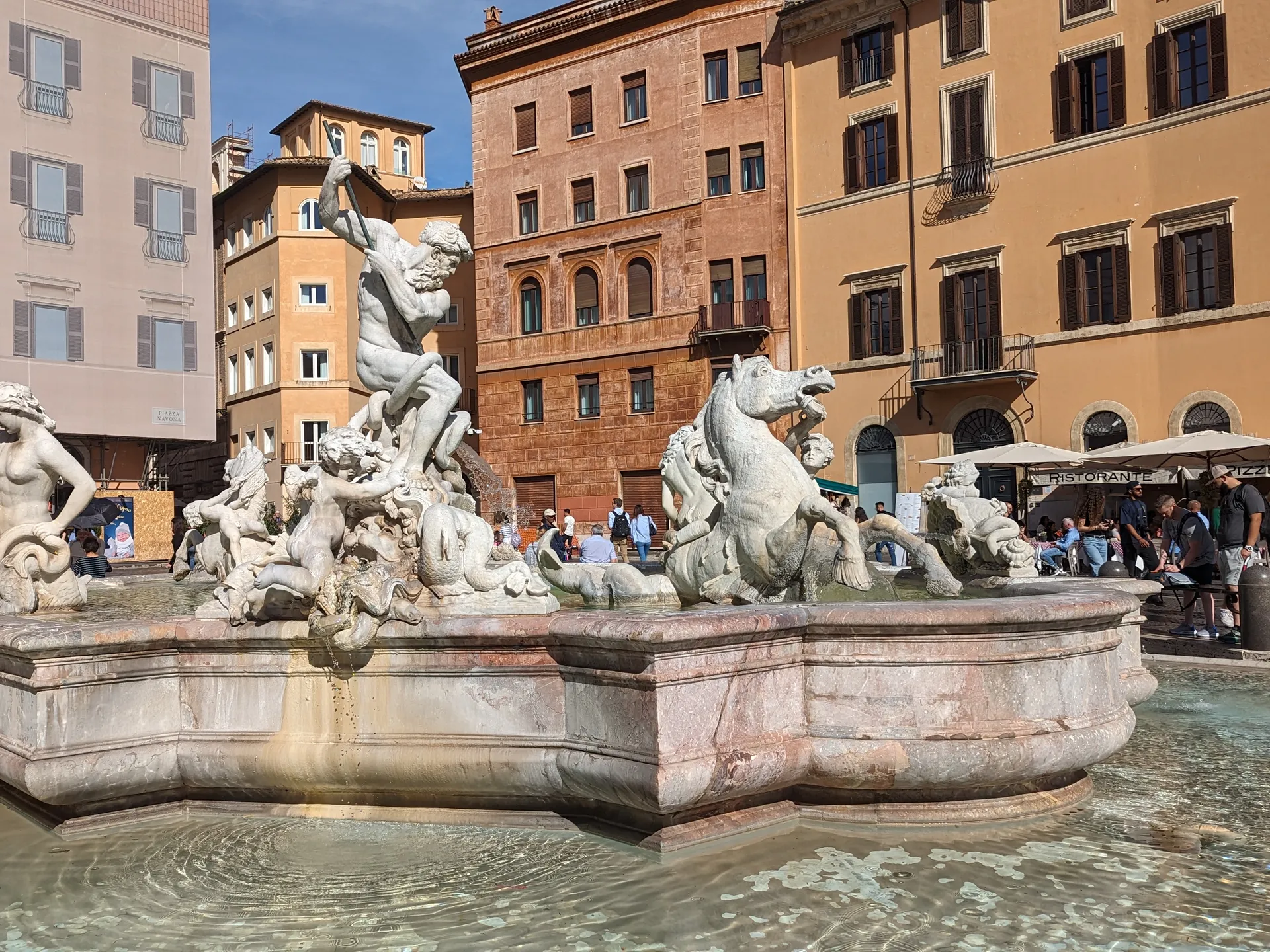
Ancient ruins, baroque fountains, sun-baked piazzas, and layered street life make Rome feel endlessly inhabited by history.
Trip fit
Is Rome right for your trip?
Best for
Can I realistically visit this?
Yes. Rome is very easy to visit, but it can feel overwhelming without priorities. Book major sites early, choose a walkable base, and do not try to see every ruin, church, museum, and piazza in one short stay.
Physical difficulty
Easy to moderate because of walking and heat
Planning complexity
Easy independent trip
Best time to go
Best: Apr-Jun, Sep-Oct. Good: Mar, Nov. Crowded / hot: Jul-Aug. Possible: Dec-Feb.
Perfect for
- History lovers, first-time Italy visitors, families, food travellers, architecture photographers, and long-weekend planners
Not ideal if
- Travellers wanting quiet streets, low crowds, or a nature-focused trip
Compare with similar places
Rome vs Florence vs Venice - historic Italy at three different scales.
Location
Where this place is
Rome is in Italy / Europe, useful for culture and architecture, photography and easy luxury trips before you choose routes, bases, and timing.
Italy / Europe
Open location on Google Maps opens in a new tabRegional orientation only. Open Google Maps for exact location.
Travel essentials
Before you book the flight
Do you need a visa for Italy?
Start with the country visa-policy overview, then confirm current rules with an official source before booking.
Check visa requirements before booking
Start with the visa-policy overview, then confirm the current rules with an official embassy, consulate, or government source before booking non-refundable travel.
If using a visa service, compare processing times, fees, refund rules, and whether they cover your nationality.
Optional visa service comparison opens in a new tab- 1 USD ≈ 0.8745 EUR
- 1 GBP ≈ 1.18 EUR
Exchange Rates Updated Daily. Last updated on 19/Jul/2026.
Big Mac® benchmark: approx. 6.08 EUR
Checked: January 2026. Prices vary by city and branch.
Approximate McDonald’s Big Mac® price where available. Prices vary by city, branch, tax, delivery channel, and date checked. This site is not affiliated with or endorsed by McDonald’s.
Source: The Economist Big Mac Index country-level data
Euro area proxy from The Economist Big Mac Index, not destination-specific
Prices Researched at May 2026
Where to stay
8+ rated stays for Rome
Booking.com opens with an 8+ guest-score filter for Rome, so you can compare current hotel photos, availability, prices, and recent traveler reviews before choosing a base.
8+ guest review score on Booking.com
Why it is beautiful
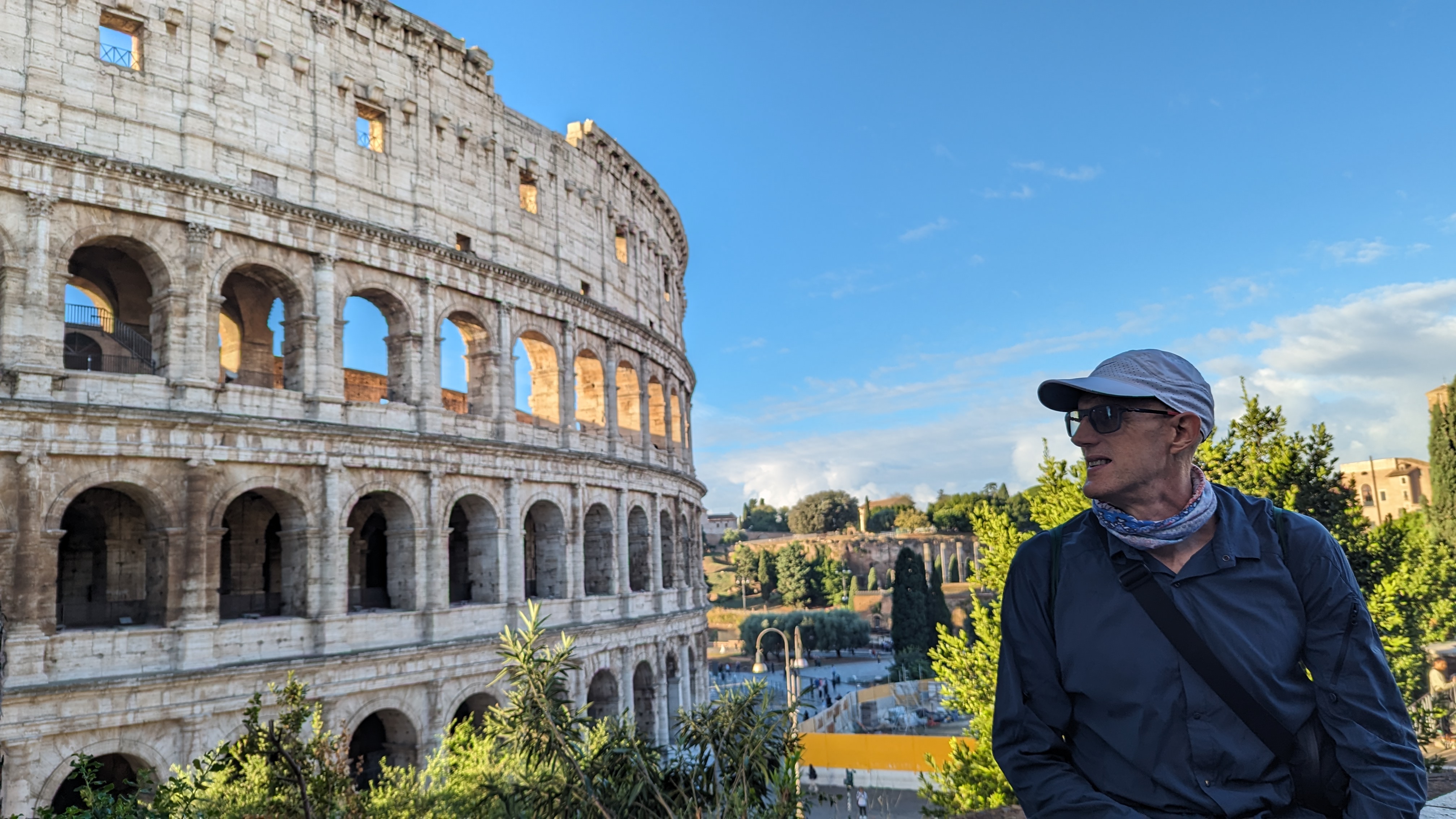
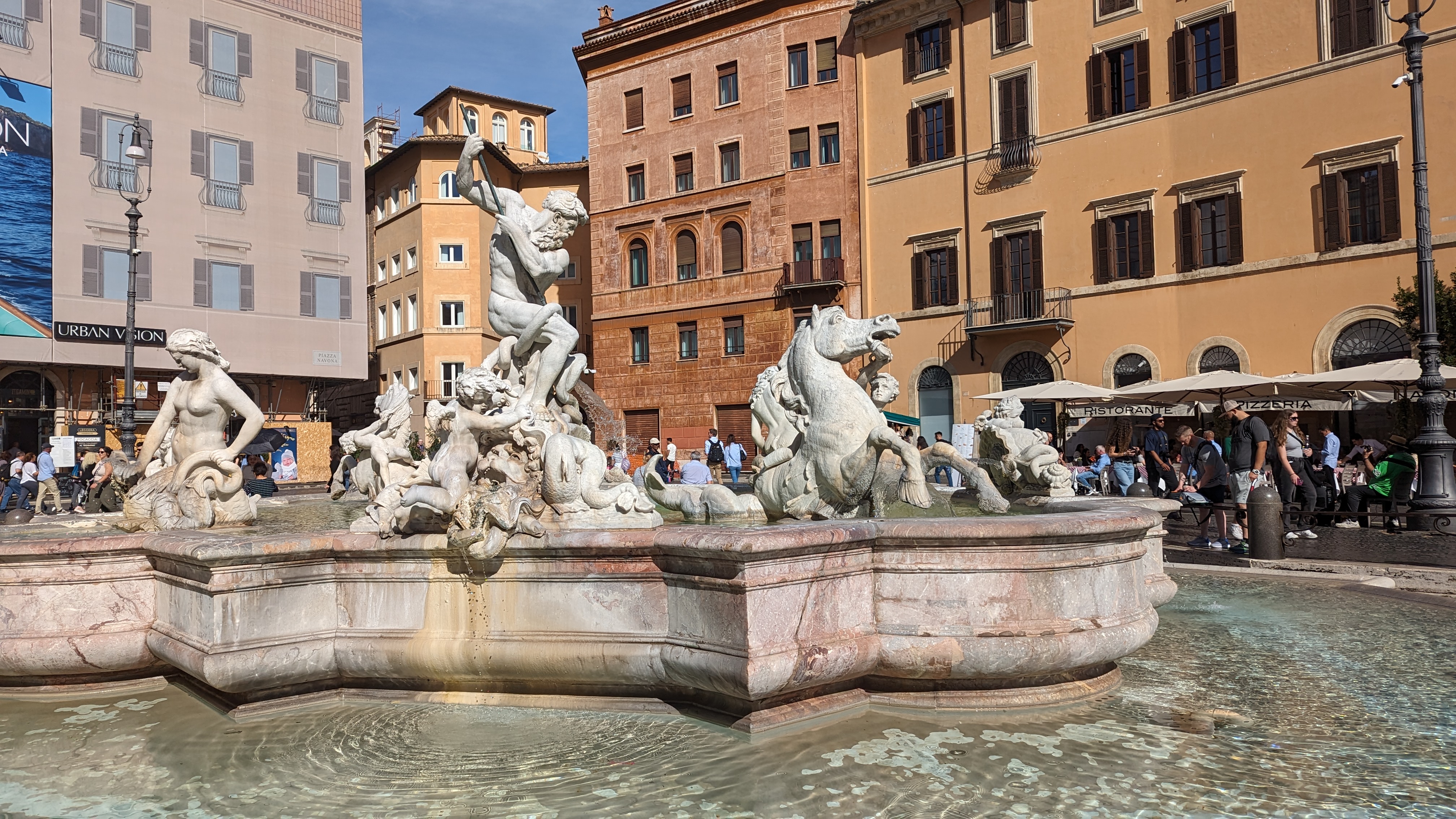
Rome has been continuously inhabited for 2,800 years, and its streets show it — a Baroque fountain placed in the centre of a Piazza built over a Roman circus, above a medieval floor, beside a church with a 1st-century column embedded in its façade. The Colosseum stands in an open urban space and can be walked around for free; the Forum beside it runs the length of several city blocks and required the destruction of Renaissance palaces to excavate. Every neighbourhood adds another layer: Trastevere’s medieval lanes, the Baroque piazzas of Navona and Campo de’ Fiori, the Testaccio market quarter built over an ancient waste mound. The sheer density of architectural and historical material within walking distance of a central hotel makes Rome unlike any other city in the world.
10 practical tips to help you decide
These tips are designed to help you decide whether Rome fits your time, budget, comfort level, and travel style.
-
For history lovers, first-time Italy visitors, food travellers, and architecture photographers — not those wanting quiet streets or a nature-focused trip. Rome is one of the world’s great cities and is always busy; July and August add intense heat and peak tourist volume. It rewards visitors who accept that crowds are part of the deal and plan around them rather than trying to avoid them. The city never feels exhausted to someone who walks at their own pace.
-
April to June and September to October for the best walking weather. July and August are hot and heavily crowded. Spring (April–June) gives warm days (18–26°C), long evenings, and manageable crowds before the summer peak. September and October give similar temperatures with fewer tourists and lower accommodation prices. July and August push above 35°C, the Vatican and Colosseum queues are longest, and the city empties of residents on weekends. December to February is cool and quiet — the major sites have minimal queues and Christmas and New Year bring their own atmosphere.
-
Fly into Rome Fiumicino (FCO) or Ciampino (CIA), or arrive by train — Rome is a major European rail hub. Fiumicino (Leonardo da Vinci) is Rome’s main international airport, 30 km from the centre. Direct trains (Leonardo Express, €14, 30 minutes) and cheaper regional trains connect to Termini station. Trenitalia high-speed trains connect Rome to Florence (1.5 hours), Naples (1 hour 10 minutes), Venice (3.5 hours), and Milan (3 hours). No visa is needed for EU, UK, and most Western nationals — Italy is a Schengen member. The 90-day Schengen rule applies.
-
Three days for Rome’s core highlights; four to five to slow down and include less-visited neighbourhoods. Three days covers the Vatican (St Peter’s Basilica, Vatican Museums, Sistine Chapel), the Colosseum and Roman Forum, the Capitoline Museums, and the historic centre on foot (Spanish Steps, Trevi Fountain, Piazza Navona, Pantheon). Four days allows Trastevere, the Borghese Gallery, and Testaccio’s food market. A fifth day suits a day trip to Tivoli (Hadrian’s Villa and Villa d’Este, 1 hour by train) or Ostia Antica (Rome’s ancient port, remarkably uncrowded).
-
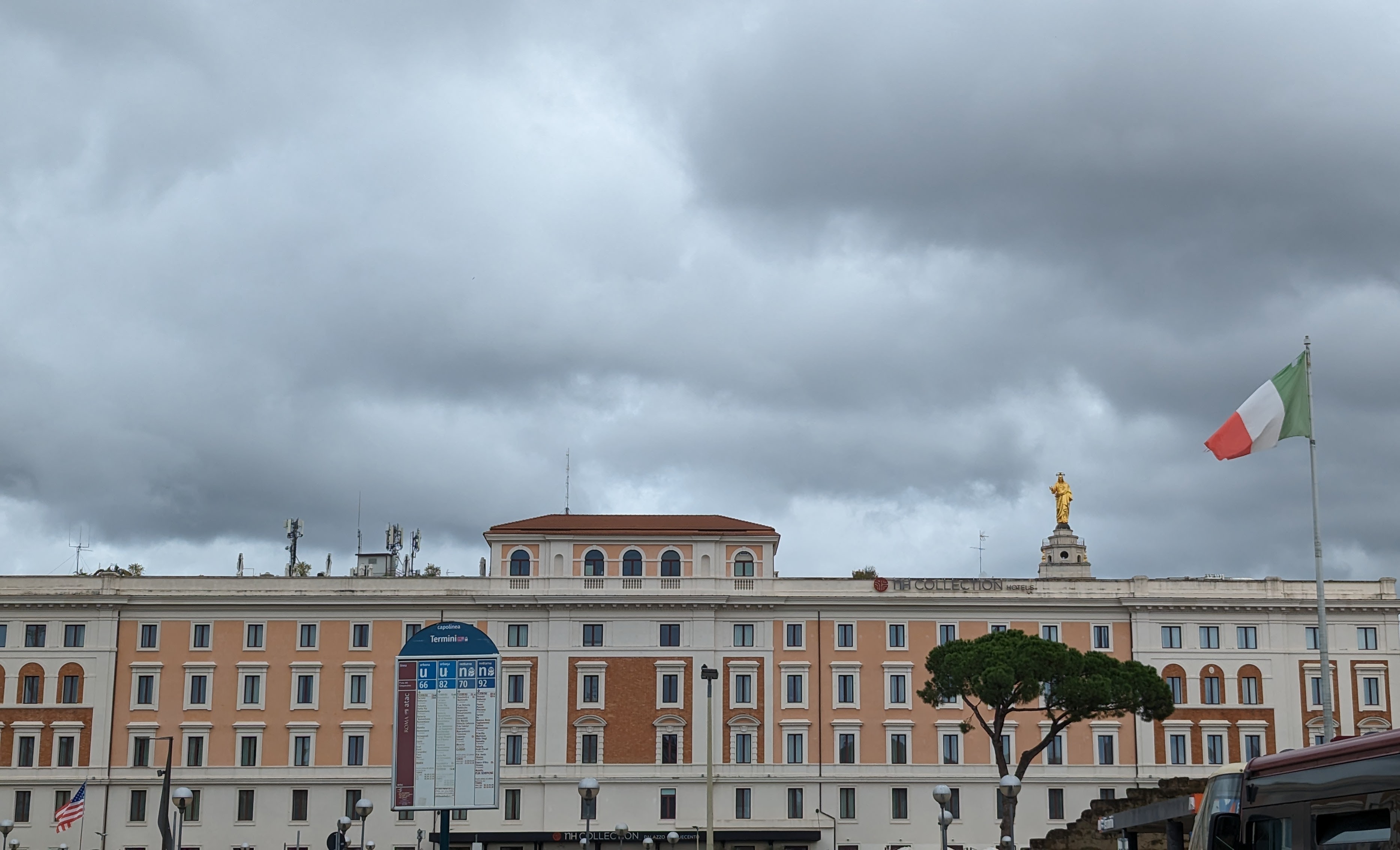
Stay near the historic centre, Trastevere, or Monti for the most walkable experience. Hotels near the Pantheon, Piazza Navona, or Campo de’ Fiori area are the most atmospheric and central — though expensive. Trastevere is lively at night and quieter by day, with medieval lanes. Monti (east of the Forum) is one of Rome’s best neighbourhood bases: independent restaurants, boutiques, and 10 minutes’ walk from the Colosseum. The area around Termini station is cheaper but less atmospheric. Avoid the outer ring — the historic city is compact and walkable, and distance costs time.
-
Rome is expensive by Italian standards — budget for booking fees and premium location. Mid-range hotels in the historic centre run €120–250 per night. A sit-down meal in a tourist area runs €15–35 per person; off the main tourist routes, quality trattorias charge €10–20. Vatican Museums tickets (timed entry, booked ahead) are €17–20. Colosseum entry with Forum is €18 standard or higher with add-ons. Budget roughly €120–200 per person per day including accommodation, food, and paid sites. Add coffee at the bar (not sitting down, which doubles the price).
-
No visa required for most Western visitors — Italy is an EU and Schengen member. EU nationals travel freely. UK visitors currently enter visa-free post-Brexit; the EU’s ETIAS (European Travel Information and Authorisation System) for UK and non-EU nationals is expected to launch in 2025 — check the current position via the UK FCDO Italy travel advice. US, Canadian, and Australian nationals get 90 days visa-free under Schengen. The FCDO rates Italy as very safe for tourists; pickpocketing around major sites and on buses is the main minor risk.
-
Book the Vatican Museums and Colosseum in advance — walk-in queuing can cost hours. The Vatican Museums (including the Sistine Chapel) sell timed-entry tickets in advance at museivaticani.va; early morning or late afternoon slots have the most manageable crowds. The Colosseum, Roman Forum, and Palatine Hill share an integrated ticket available at colosseo.it. Both can sell out same-day in peak season. The Borghese Gallery requires advance booking regardless of season — it is capped at 360 visitors per 2-hour slot.
-
The Pantheon charges €5 entry since 2023 — the best €5 in Rome. The Pantheon has been a free entry site for most of its accessible history, but a €5 admission charge was introduced in 2023 (free for under-18s). It remains one of the world’s most extraordinary buildings: an unreinforced concrete dome, 43 metres in diameter, built in AD 125 and still intact. The oculus (open hole at the dome’s apex) lets rain fall directly to the floor, which drains through original Roman gutters. Arrive early morning on a clear day to see the light cylinder move across the interior.
-
Eat cacio e pepe, carbonara, and supplì in Testaccio — the neighbourhood where Roman food came from. Testaccio, built over Monte Testaccio (a hill composed of broken Roman amphora shards), was Rome’s meat-packing and food processing district and remains its most food-serious neighbourhood. The Testaccio market (covered, open morning) has Rome’s best daily produce stalls and several excellent ready-to-eat counters. Trattoria Da Remo for pizza al taglio, Volpetti for cured meats and cheese. Roman pasta dishes (carbonara, cacio e pepe, amatriciana) should not be ordered with cream, peas, or additions anywhere serious.
Gallery
More views of Rome