North America / Utah, USA
Valley of the Gods
Red sandstone buttes stand over a lonely Utah road, delivering Monument Valley drama with far more silence.
Trip fit
Is Valley of the Gods right for your trip?
Best for
Can I realistically visit this?
Yes, if you are comfortable with desert road-trip planning. It is less formal than nearby national parks, so check road conditions, vehicle suitability, weather, heat, fuel, water, and navigation.
Physical difficulty
Easy to moderate
Planning complexity
Needs some planning
Best time to go
Best: Mar-May, Sep-Oct. Good: Feb, Nov. Very hot: Jun-Aug. Cold / possible: Dec-Jan.
Perfect for
- Road-trippers, desert photographers, solitude seekers, and travellers who enjoy open landscapes without heavy infrastructure
Not ideal if
- Visitors who dislike rough roads, heat, remote services, or self-sufficient desert driving
Compare with similar places
Valley of the Gods vs Yangykala Canyon vs Zhangye Danxia - colour, rock, and road-trip drama.
Location
Where this place is
Valley of the Gods is in Utah, USA / North America, useful for dramatic landscapes, road trips and photography before you choose routes, bases, and timing.
Utah, USA / North America
Open location on Google Maps opens in a new tabRegional orientation only. Open Google Maps for exact location.
Travel essentials
Before you book the flight
Do you need a visa for USA?
Start with the country visa-policy overview, then confirm current rules with an official source before booking.
Check visa requirements before booking
Start with the visa-policy overview, then confirm the current rules with an official embassy, consulate, or government source before booking non-refundable travel.
If using a visa service, compare processing times, fees, refund rules, and whether they cover your nationality.
Optional visa service comparison opens in a new tab- 1 EUR ≈ 1.14 USD
- 1 GBP ≈ 1.34 USD
Exchange Rates Updated Daily. Last updated on 19/Jul/2026.

Big Mac® benchmark: approx. 6.12 USD
Checked: January 2026. Prices vary by city and branch.
Approximate McDonald’s Big Mac® price where available. Prices vary by city, branch, tax, delivery channel, and date checked. This site is not affiliated with or endorsed by McDonald’s.
Source: The Economist Big Mac Index country-level data
Country-level Big Mac price from The Economist Big Mac Index
Prices Researched at May 2026
Where to stay
8+ rated stays for Valley of the Gods
Booking.com opens with an 8+ guest-score filter for Valley of the Gods, so you can compare current hotel photos, availability, prices, and recent traveler reviews before choosing a base.
8+ guest review score on Booking.com
Why it is beautiful
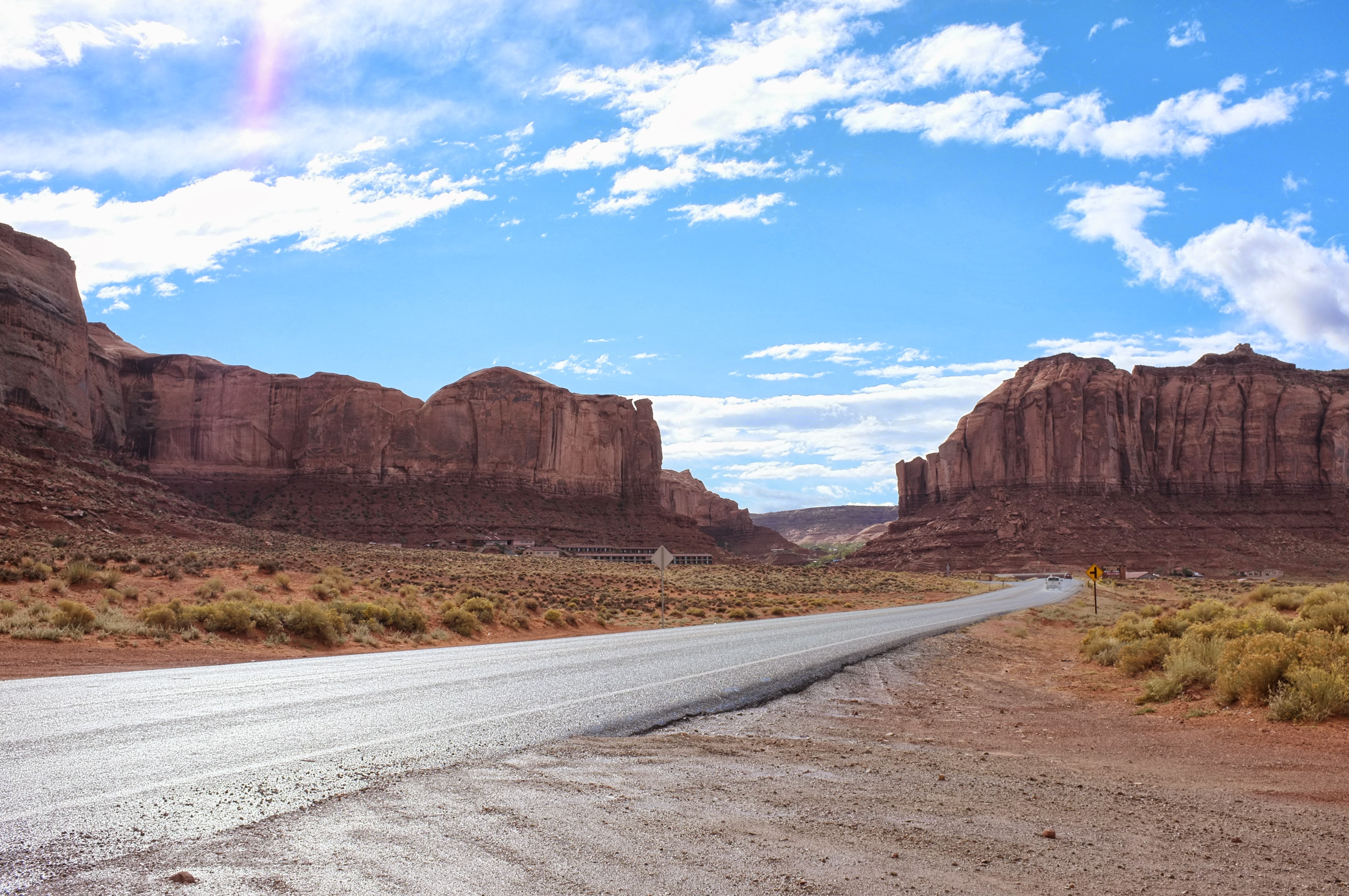
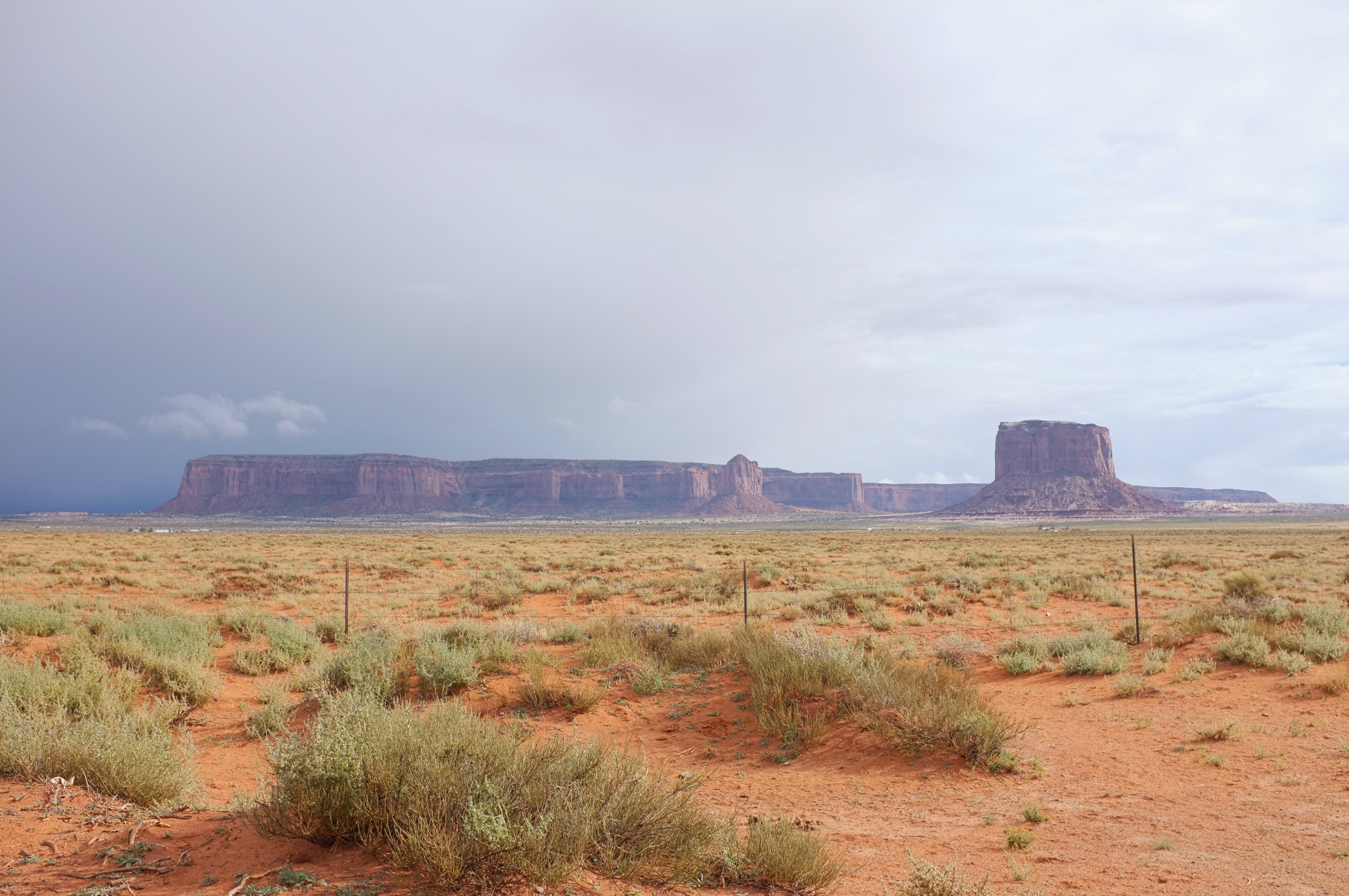
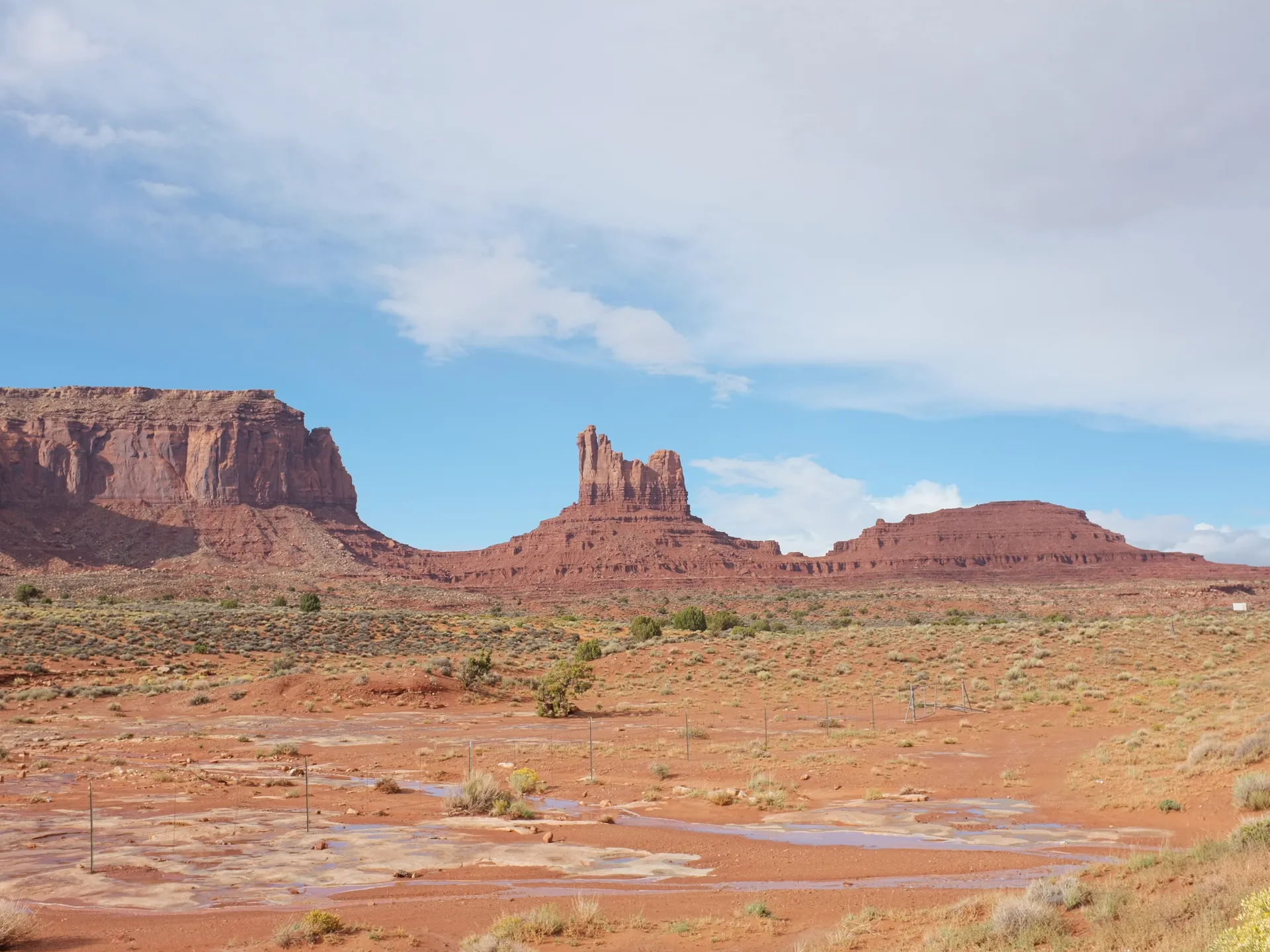
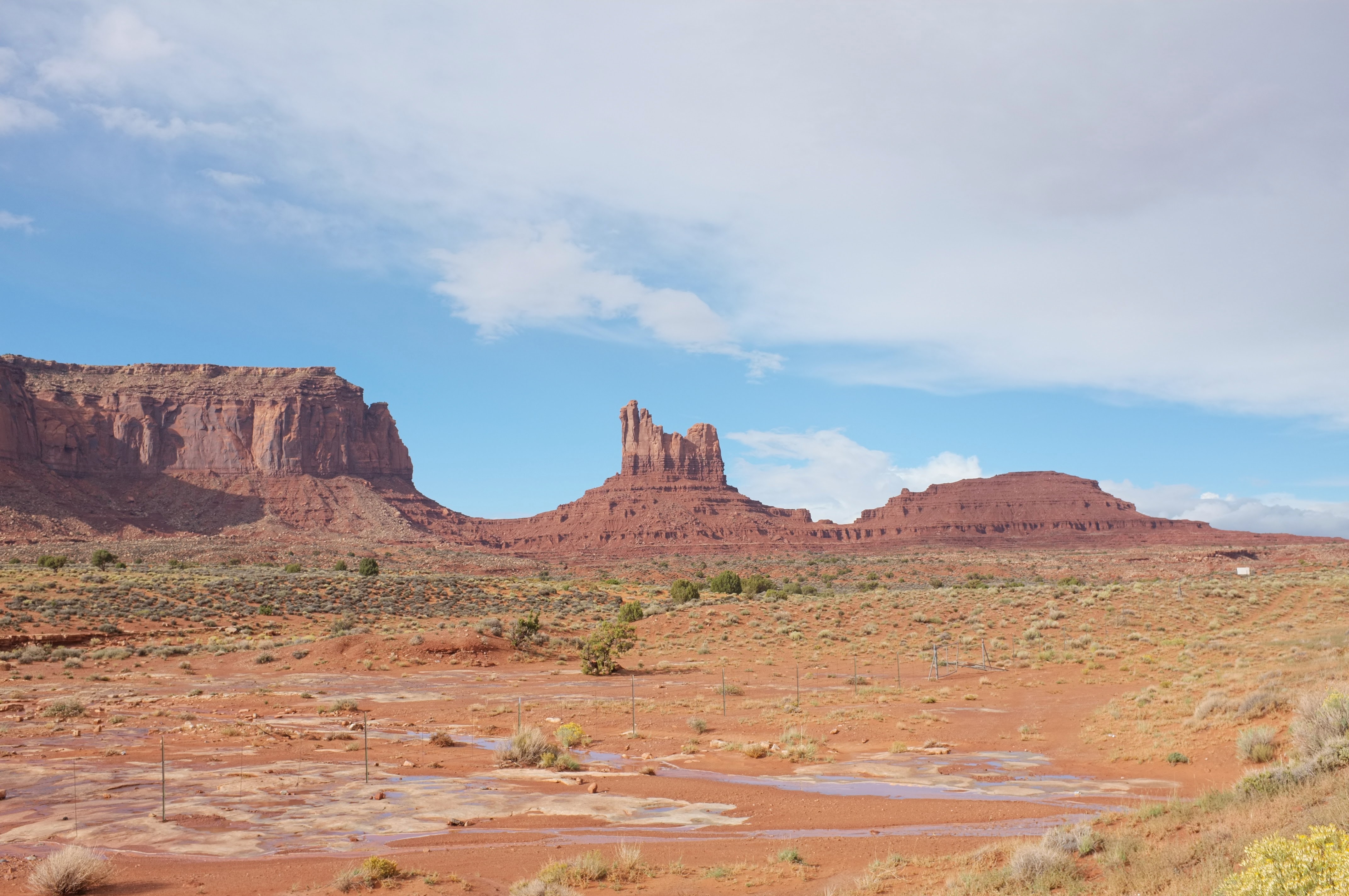
Valley of the Gods is a 27-kilometre unpaved loop road through Bureau of Land Management desert in Utah’s Bears Ears region, managed without entrance fees, ranger stations, or the queuing infrastructure of Monument Valley 40 kilometres to the south. The same Permian-age Cedar Mesa sandstone formations — buttes, spires, and isolated towers — rise from the same red desert floor, turning amber then deep red as the low desert sun moves around them. The road passes under forms named Battleship Rock, Setting Hen Butte, and Lady in the Bathtub; the valley is mostly empty of other visitors in any given hour; dispersed camping is permitted anywhere off the track. It is the less-famous version of the most famous landscape in the American Southwest, and the absence of formal management infrastructure is precisely what makes it worth the choice.
10 practical tips to help you decide
These tips are designed to help you decide whether the Valley of the Gods fits your time, budget, comfort level, and travel style.
-
For road-trip photographers, solitude seekers, and desert travellers who want Monument Valley scenery without the tour-bus infrastructure — not those uncomfortable with rough roads, remote services, or self-sufficient desert driving. Valley of the Gods rewards visitors who can navigate a 27-km dirt road, read basic weather and desert conditions, and bring their own water and provisions. The landscape is extraordinary; the experience is loose and unmanaged. If you need facilities, stick to Monument Valley or Canyon de Chelly.
-
March to May and September to October for the most comfortable driving and photography conditions. Spring and autumn give desert temperatures below 30°C, strong morning and evening light, and dry roads. March can still have occasional snow at higher elevation; May heats rapidly toward summer. June to August regularly exceeds 38°C — driving a dirt road in full desert heat is manageable but requires extra water planning. October gives the best combination of colour, light, and temperature. Winter (December–February) is cold with possible ice on the road.
-
Drive to the Valley of the Gods from Mexican Hat or Bluff — no public transport exists. The valley loop connects Highway 261 to Highway 163 near Mexican Hat, Utah. Mexican Hat is the nearest small town with a gas station and basic motel accommodation. The nearest larger services are in Bluff (16 km east) or Monument Valley Navajo Tribal Park (40 km south, which has tour services). A car is entirely essential — there is no public transport, and the loop road is not accessible by anything other than vehicle or bicycle. ESTA is required for most non-US Western nationals (apply at esta.cbp.dhs.gov, USD 21).
-
Half a day for the valley loop; two to three days for the Bears Ears region more broadly. The 27-km loop takes 1.5–2 hours by car driving slowly without stops; 3–4 hours with proper stops at the main formations. An overnight camp in the valley allows sunrise and sunset visits with the full light cycle. Two to three days in the wider Bears Ears region adds Moki Dugway (the dramatic switchback descent from Cedar Mesa to the valley floor), Muley Point (360-degree views of the San Juan River), and the Goosenecks State Park viewpoint.
-
Camp dispersed in the valley or base in Mexican Hat, Bluff, or Monument Valley. Dispersed camping is free and permitted throughout the valley on BLM land; no permit or reservation is required. Drive off the track onto flat ground, bring everything you need, and pack out all waste. The Valley of the Gods B&B sits within the valley itself (bookings at valleyofthegodsbnb.com) — one of the most atmospheric small lodges in the American Southwest. Mexican Hat Lodge (basic motel) and Bluff’s guesthouses offer standard alternatives.
-
No entrance fee — Valley of the Gods is BLM land, completely free to visit. There is no fee to drive or camp in Valley of the Gods; it is managed as unrestricted Bureau of Land Management land within Bears Ears National Monument. The America the Beautiful Annual Pass (USD 80) covers most nearby federal fee areas including Natural Bridges National Monument and Mesa Verde National Park, but does not apply here since entry is free. Budget for fuel, provisions, and accommodation (if not camping).
-
No additional visa for US citizens; ESTA required for most Western nationals. UK, EU, Australian, and Canadian nationals need an ESTA (Electronic System for Travel Authorization) for US entry — apply at esta.cbp.dhs.gov (USD 21), valid for multiple trips for 2 years. The UK FCDO describes the USA as very safe for tourists with standard travel precautions; the Utah/Four Corners region has no specific security concerns.
-
Carry more water than you think you need — this is critical in all desert conditions. There is no water source in Valley of the Gods. In summer heat, an adult hiking or working outside requires 1 litre per hour; even in cooler spring and autumn, dehydration on a desert road trip is a real risk. Carry a minimum of 4 litres per person for a half-day visit; 8+ litres for a full day or overnight. Carry food for the day, a basic first aid kit, and a means of calling for assistance. Cell coverage is non-existent in the valley.
-
Check the road conditions before driving — the loop can be impassable after rain. The unpaved loop is made of sandstone desert surface that turns to slick, muddy clay after significant rain — impassable even for 4WD vehicles until it dries. Check the BLM Utah Field Office forecast and local conditions at blm.gov/office/monticello-field-office or by calling the Monticello, Utah field office before your visit day. A standard 2WD vehicle can manage the loop in dry conditions; a high-clearance vehicle is safer and allows more flexibility.
-
Combine Valley of the Gods with Moki Dugway and Muley Point for the best Bears Ears circuit. Moki Dugway is a dramatic unpaved switchback road ascending 360 metres up the edge of Cedar Mesa from the valley floor — three miles of tight, exposed turns with no guardrails and views that stretch to Arizona. At the top, Muley Point gives one of the Southwest’s best 360-degree panoramas: the Valley of the Gods below, the San Juan River entrenched in its canyon, Monument Valley to the south, and the Henry Mountains to the north. Add Goosenecks State Park (10 minutes from Mexican Hat) for the vertical view 300 metres straight down into the entrenched meanders of the San Juan River.
Gallery
More views of Valley of the Gods